
How to Stage Your Home for a Faster Sale

Some of the steps you can take to stage your home for a faster sale

The key to selling your home swiftly and at an optimal price is to stage it. By strategically preparing your property, you can capture the attention of potential buyers and make a lasting impression. So, let’s explore the essential steps and expert tips to stage your home for a faster sale!

Understand your target market
Understanding your target market is critical when working to stage your home for a faster sale. You can effectively tailor your staging efforts by identifying potential buyers and researching local real estate trends. This knowledge lets you focus on what aspects of your property appeal to your target audience.

For instance, if your research reveals a growing interest in modern kitchens, you may highlight your kitchen’s features during staging. Similarly, this will help you decide if you need to look into property renovations and whether they’ll pay off. In other words, if the market demands updated bathrooms, investing in a renovation could significantly increase your property’s appeal and resale value.

Declutter and depersonalize
Decluttering and depersonalizing your home are essential steps in working to stage your home for a faster sale. Start by removing excess furniture and personal items to create a clean, spacious atmosphere that potential buyers can envision as their own. Clear countertops, organize closets, and minimize decorations to make rooms more open and inviting.

It’s also a good idea to let buyers see the potential of each space without distractions. Therefore, consider storing personal photos and memorabilia to create a neutral canvas that allows buyers to picture themselves living in your home. However, to achieve this, you must also pack and move your bulkier belongings into storage or your new home. If you’re in a hurry and this seems intimidating, don’t worry. You can always save time with packing services. Experts can pack everything fast and safely, just as you like it.

Stage your home for a faster sale: Clean and repair
Ensuring your home is clean and in good repair is a fundamental aspect of preparing it for sale. A clean house leaves a positive impression on potential buyers and indicates that your property has been well-maintained. Start by thoroughly cleaning every room, paying attention to often overlooked areas like baseboards, windows, and carpets. A sparkling clean property instantly feels more inviting and move-in ready. If you call our Flat Fee Realtor, we can recommend the good cleaners that will make your home look sparkling clean.

In addition, addressing any necessary repairs is a must. Small fixes like leaky faucets or loose doorknobs may seem minor, but they can raise red flags for buyers. Fixing these issues demonstrates that your property is in good condition and ready for new owners. Finally, don’t forget to inspect the exterior, repairing damaged siding or cracked walkways!

Enhance curb appeal
Boosting your property’s curb appeal is a powerful way to make a lasting impression on potential buyers. After this, this is the first chance for buyers to gauge if they’re interested in a purchase. So, start by sprucing up your landscaping with fresh mulch, trimmed bushes, and colorful flowers. A well-maintained lawn and garden make it easy to imagine the potential of a property.

Consider a new coat of paint for your front door, too, as this can add a pop of color and vitality. Repair any cracks in the driveway or walkway to ensure a smooth entryway. Outdoor lighting can also work wonders, making your home appear warm and welcoming, even at night. Don’t forget to remove any clutter from the yard, like old furniture or kids’ toys.

Furniture arrangement and layout
When it comes to selling your home, the arrangement and layout of your furniture play an essential role. Maximize space and flow to make your property more appealing to potential buyers. You can start the process by removing furniture that can cramp up rooms. Then, focus on creating open pathways and highlighting the natural flow of each space.
Arrange furniture to showcase the functionality of each room, too, such as turning a spare room into an office or a cozy reading nook. It’s important to create inviting living spaces where buyers can envision themselves.

Finally, strategically placing furniture can emphasize your home’s best features, such as a beautiful fireplace or a scenic window view. Proper furniture arrangement can be challenging, but you can lean into the benefits of using a real estate agent for advice. Working with our Top Flat Fee agents, you get access to the best and the most affordable staging.

Lighting and ambiance
Lighting and ambiance can set the mood for your property and attract potential buyers. Good lighting can make spaces feel warm and inviting, while poor lighting can make them appear dull and uninspired. So, when staging your home, consider the lighting that complements each room’s purpose.

For example, bright and well-distributed lighting works well in kitchens and offices, while softer, ambient lighting can create a cozy atmosphere in living rooms and bedrooms. Adding floor, table, and pendant lights can also enhance the overall ambiance. Also, consider strategically using candles or LED candles to create a soothing and welcoming vibe. Natural light is also a significant asset, so open curtains and blinds to let in as much daylight as possible.

Staging for photography
Staging for photography is a major step when working to stage your home for a faster sale. High-quality listing photos can more easily draw in buyers and ensure you can give them a walk-through. To ensure your property shines in these photos, start by decluttering, cleaning, and organizing each room, creating a tidy and photogenic space.

Then, use neutral colors and minimal decor to create a universally appealing look. Lastly, consider the services of a professional photographer specializing in real estate photography. Their expertise can capture your home in the best possible light, showcasing its beauty and uniqueness.

Staging for photography increases online appeal and even encourages in-person visits, especially if you secure professional assistance. So, investing time and effort into this process can pay off with a faster and more successful sale.

Staging for showings
Preparing your home for showings is the ultimate step in home staging. Creating an inviting and memorable experience for potential buyers when they visit in person is essential. Start by thoroughly cleaning and tidying up, ensuring every room is immaculate.

Ensure all your staging efforts are in place, from furniture arrangement to lighting. Open curtains and blinds to let in natural light, creating a bright and welcoming atmosphere. Consider soft background music or subtle scents like freshly baked cookies to engage multiple senses positively.

During showings, eliminate any potential distractions, such as pets or personal items. Be flexible with scheduling as well, accommodating potential buyers’ preferred times. Most importantly, leave the home during showings to give buyers the space to explore and envision themselves living there.

Working on promoting your property the right way
The decision to stage your home for a faster sale is a smart investment in ensuring your property’s appeal and marketability. Following the strategies outlined in this guide, you can create an environment that resonates with potential buyers, leaving a positive and lasting impression. From curb appeal enhancements to perfecting the details, these staging techniques can significantly impact the speed and success of your sale. So, take these insights to heart and get ready to welcome eager buyers to your beautifully staged property. Contact our Flat Fee Company for the best staging resources and solutions.


Building Green: Sustainable Practices in Real Estate Construction

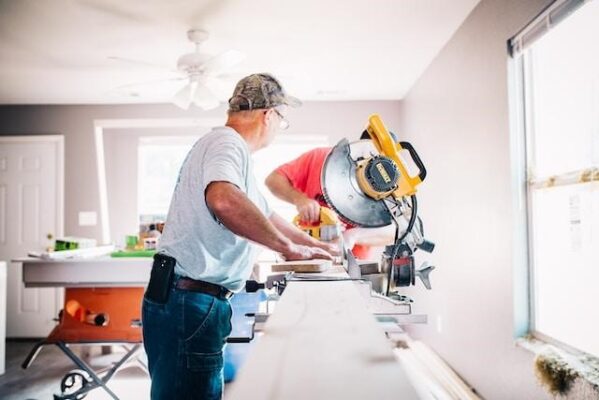
A building site that follows sustainable practices in real estate construction

In real estate construction, embracing sustainable practices is no longer an option but a necessity. As environmental consciousness grows, integrating sustainable practices in real estate construction has become a defining factor in shaping the industry’s future. Our Flat Fee Realtors with green building expertise help clients purchase or sell property and they understand the market value and the features of energy efficient homes and buildings.

The benefits of green building
Sustainable practices in real estate construction offer many benefits for property owners and investors. So, to optimize your property renovations, you must include sustainable practices. First and foremost, green buildings are environmentally friendly, reducing carbon emissions and conserving natural resources, which can lead to a healthier planet.

Also, they can significantly lower long-term operational costs due to energy-efficient designs, saving you money in the long run. These eco-conscious constructions also increase property value, making them a smart financial choice. Green buildings prioritize the well-being of occupants by enhancing indoor air quality and overall quality of life.

Sustainable building materials
Sustainable building materials are at the forefront of sustainable practices in real estate construction. These materials, often derived from recycled or locally sourced resources, play a pivotal role in reducing the environmental impact of building projects. Construction becomes more eco-friendly by incorporating sustainable materials, such as reclaimed wood, recycled metal, or low-VOC paints and finishes. These materials minimize waste and contribute to healthier indoor air quality, benefiting the occupants’ well-being.

On top of that, sustainable materials are durable, prolonging the longevity of the building, which is both cost-effective and environmentally responsible. Their use can help projects earn green building certifications, further enhancing their eco-credentials.

Energy efficiency in green construction
Energy efficiency is a cornerstone of green construction and a game-changer for the environment and your wallet. In green buildings, every structure aspect, from insulation to lighting, is designed with optimal energy use in mind. Proper insulation, for instance, helps maintain a consistent indoor temperature, reducing the need for heating or cooling. Energy-efficient windows and doors keep unwanted drafts out and conditioned air in.

When it comes to powering your green building, renewable energy sources like solar panels and wind turbines can generate clean electricity on-site, saving money on utility bills while reducing your carbon footprint. By integrating these energy-efficient strategies, green construction minimizes environmental impact and offers significant long-term cost savings, making it a smart choice for the environment and your finances.

Water conservation and management
Water conservation and management are vital aspects of sustainable building practices. Green construction aims to reduce water consumption significantly by implementing water-saving techniques and technologies. Low-flow fixtures and appliances, such as efficient toilets and faucets, help minimize water wastage. Rainwater harvesting systems collect and store rainwater for non-potable uses, like irrigation, reducing the demand for municipal water supplies.

At the same time, landscaping design is crucial since opting for drought-resistant plants and smart irrigation practices can further minimize water use. Sustainable construction conserves water and manages it efficiently, a every drop counts.

Green building certifications
Green building certifications are benchmarks of sustainable practices in real estate construction. They provide a structured framework for assessing a building’s eco-friendliness. Two prominent certifications include LEED (Leadership in Energy and Environmental Design) and BREEAM (Building Research Establishment Environmental Assessment Method). These certifications evaluate various aspects of a building, such as energy efficiency, water conservation, and indoor air quality. Achieving certification showcases a commitment to environmental responsibility and offers several benefits. Certified buildings often have lower operational costs due to their efficient designs, which can lead to increased property value.

In addition, they promote healthier indoor environments, enhancing the well-being of occupants. Also, green building certifications can qualify projects for government incentives and tax benefits. They’re a way to validate a building’s sustainable practices, making them an excellent choice for environmentally conscious developers and investors.

Designing for natural ventilation and lighting
Designing for natural ventilation and lighting is not just about aesthetics. It’s about creating a healthier and more sustainable living environment for the sake of your dream home. When you harness natural light, you reduce electricity bills and create a brighter, more inviting space. Well-placed windows, skylights, and open floor plans can flood your home with daylight, making it more spacious and pleasant.

Not to mention, proper ventilation offers a continuous fresh air flow, reducing the need for mechanical cooling systems. Strategically placed windows and ventilation systems can help maintain comfortable indoor temperatures year-round.

Finally, embracing biophilic design elements, like indoor plants and natural materials, can further connect your home to the outdoors, enhancing the overall well-being of your living space.

Waste reduction and management
Waste reduction and management are crucial components of responsible construction practices. By minimizing waste and adopting efficient disposal methods, green construction projects can significantly reduce environmental harm. The 3 R’s – reduce, reuse, and recycle – are fundamental waste reduction principles. Minimizing excess materials during construction and reusing salvaged materials can significantly reduce waste. Recycling materials like concrete and steel further reduces the environmental footprint.

Regarding transporting waste or materials, the Affordable Reliable Moving Company Orange County emphasizes collaborating with moving and transportation professionals to provide proper transfer to the intended destinations. By managing waste effectively, you contribute to a more sustainable construction industry, mitigate environmental impacts, and possibly save costs associated with waste disposal.

Regulatory and policy considerations
Navigating regulatory and policy considerations is paramount in sustainable construction and real estate investment. Governments worldwide increasingly recognize the importance of eco-friendly building practices to combat climate change and preserve natural resources. This shift in focus is translating into stricter building codes and environmental standards. So, sustainable practices might become required to avoid costly pitfalls in real estate investment. Staying abreast of these regulations is essential, as non-compliance can result in legal and financial consequences.

However, these policies also present an opportunity as they often come with incentives and tax benefits for adopting sustainable practices, making it a wise choice for investors looking to maximize their returns while contributing positively to the environment.

For a better real estate industry
Ultimately, sustainable practices in real estate construction are the blueprint for a brighter, greener future. As we navigate the challenges of the modern world, it’s clear that building with the environment in mind is both responsible and advantageous. From energy-efficient designs to eco-friendly materials, our choices today will shape tomorrow’s sustainable landscapes. So, embracing these practices isn’t just a trend. It’s a commitment to a more sustainable and prosperous real estate industry. And our Top Flat Fee Realtors have strong knowledge of green building design, green construction, and energy efficiency techniques and technology.

Optimizing Property Returns: Renovations that Pay Off

Doing some DIY renovations that pay off

One key goal in real estate and property investment stands out: undertaking renovations that pay off. These strategic improvements not only enhance the functionality and aesthetics of a property but also significantly increase its value, ensuring a profitable return on investment. So, let’s delve into the art of making savvy renovation choices, from high-ROI projects to budget-friendly ideas.

Assessing your property
Once you acquire your ideal investment property, the crucial first step is assessing its current condition. Begin by thoroughly inspecting both the interior and exterior of the house. Check for any visible signs of wear and tear, such as damaged roofing, plumbing issues, or outdated electrical systems. It’s also essential to assess its structural integrity, looking for cracks or foundation problems. Take note of any aesthetic aspects that require attention, like peeling paint, worn-out flooring, or outdated fixtures. By conducting a comprehensive assessment, you’ll gain valuable insights into the necessary improvements needed to optimize your property’s returns in the long run. . By working with our Top Flat Fee Realtors, you will have access to the Top inspectors and contractors, which will help you avoid unpleasant surprises in the future.

High-ROI renovation projects
When maximizing your property’s return on investment, focusing on high-ROI renovations that payoff is key. Start with kitchen upgrades, which often provide an impressive return due to their central role in homes. Consider modernizing appliances or refreshing cabinets and countertops. Similarly, bathroom remodels can yield excellent returns by enhancing both functionality and aesthetics. Updating fixtures or tiles and adding energy-efficient features can also make a significant impact. Energy-efficient improvements, such as insulation and new windows, not only reduce utility bills but also add value to your property. Finally, cost-effective flooring and paint updates can breathe new life into your space without breaking the bank. Prioritizing these high-ROI projects can lead to increased home value and, ultimately, a more profitable investment.

Budget-friendly ideas
Budget-friendly renovation ideas can help you enhance your property’s value without draining your savings. Consider tackling some DIY projects like painting walls or installing new fixtures. Moreover, opt for cost-effective materials and fixtures that offer durability and style without breaking the bank. Another savvy approach is remodeling in phases. Instead of overextending your budget, prioritize essential renovations and spread out the costs over time. This makes the process more manageable and ensures you can maintain a comfortable financial cushion throughout your project. However, be mindful of what you can and can’t handle. For example, the Best Cross Country Movers recommend never trying to do a DIY move alone if you have valuable furniture to handle since any damage to it can be a serious loss. Similarly, other projects, like refreshing your home’s plumbing, are best left up to professionals.

Renovation financing options
Renovation financing options are crucial in turning your property improvement dreams into reality while helping you avoid costly investment mistakes. One viable approach is using personal savings, which ensures you’re not burdened by interest or loan payments. Alternatively, home equity loans and HELOCs allow homeowners to tap into their property’s equity, making renovations more accessible. Government grants and incentives can provide financial relief, especially for energy-efficient upgrades. Additionally, property improvement loans offer tailored financing for renovation projects. Carefully assess these options, considering your current financial situation and long-term goals. Choosing the right financing method allows you to embark on renovations that pay off with confidence.

Compliance with building codes
Ensuring compliance with building codes is a fundamental aspect of any property renovations that pay off. Adhering to these codes is essential as it guarantees that your renovations meet local authorities’ safety, structural, and environmental standards. Ignoring building codes can result in costly fines, delays, and even unsafe living conditions for occupants. Therefore, it’s crucial to research and understand the specific codes applicable to your project, obtain the necessary permits, and work closely with inspectors to ensure that your renovations remain compliant throughout the process. By prioritizing compliance, you avoid legal issues and ensure that your house is safe and desirable to potential buyers or tenants. Building code adherence is the foundation of a successful renovation, providing peace of mind and protecting your investment in the long run!

Project management tips
Effective project management is key to a successful property remodel. Begin by creating a detailed timeline that outlines each phase of the project, helping you stay organized and on track. Assign specific responsibilities and tasks to contractors and professionals and establish clear lines of communication to address any issues promptly. Flexibility is essential, too, as unexpected challenges can arise. So, having contingency plans in place ensures smoother progress. Regularly monitor the renovation process, addressing any deviations from the project promptly. Finally, keep a close eye on the budget to prevent overspending.

Staging and presentation
Staging and presentation play a crucial role in preparing your home for a successful showing. The importance of property staging cannot be overstated, as it helps potential buyers or tenants envision themselves living in the space. Start by decluttering and depersonalizing your home, allowing prospective residents to see its potential without distractions. Consider rearranging furniture to create an inviting and spacious atmosphere. Pay attention to lighting, ensuring that each room is well-lit and welcoming. Use neutral color schemes and tasteful decor to appeal to a broader audience. Professional real estate photography can highlight your property’s best features and create a lasting impression online, enticing more potential buyers or renters. Effective staging and presentation techniques can significantly affect how your property is perceived and increase its chances of a successful sale or rental!

Marketing your renovated property
Marketing your renovated property is essential to attract potential buyers or tenants. Our Flat Fee Company realtors always focus on compelling descriptions highlighting the renovations and improvements you’ve made. To reach a broader audience, we utilize digital marketing strategies, including social media advertising and MLS listings. Consider hosting open houses to allow interested parties to experience the property firsthand. Virtual tours can also be an effective way to give viewers an immersive look at the renovated space.

Additionally, our professional photographer will make your home even more attractive and generate interest and maximizes your property’s visibility and potential for a profitable sale or rental. So, by leveraging these strategies, you can ensure that your renovated property gets the attention it deserves in the competitive real estate market.

Working towards your long-term investment goals
In the end, the pursuit of renovations that pay off remains a timeless strategy. By carefully selecting projects, managing budgets wisely, prioritizing high-ROI improvements, and choose right realtor, you can ensure that your investments retain their value and appreciate over time. With the right approach, your properties can become assets that continue to yield lucrative returns, making your renovation journey a profitable and rewarding one!

Costly Pitfalls to Avoid in Real Estate Investment Ventures

Reading up on the costly pitfalls to avoid in real estate investment ventures

You must know how to approach the real estate market to make the most of your resources. So, let’s go over the costly pitfalls to avoid in real estate investment ventures!

Lack of proper research
One of the most costly pitfalls to avoid in real estate investment ventures is the lack of proper research. Failing to delve into comprehensive market research can imperil your real estate interests from the very outset. Without a keen understanding of the local market conditions, property values, and growth potential, you make speculation-driven decisions. So, protect your real estate interests by dedicating time to research. Flat Rate LA Real Estate can help you to scrutinize historical property data, assess the neighborhood’s infrastructure, and gauge the potential for appreciation. By arming yourself with knowledge, you reduce the likelihood of costly mistakes.

Neglecting due diligence
When you bypass the crucial process of due diligence, you’re skipping the necessary safeguards to save money on your real estate transaction. It involves thoroughly examining the property’s history, legal status, and condition, ensuring you make an informed decision. Ignoring this step might lead to unexpected complications, hidden liabilities, or expensive repairs. By working with our Flat Fee Realtor to conduct due diligence, you protect your investment and have the opportunity to negotiate better terms.

Overleveraging
Overleveraging in real estate investments can be a dangerous tightrope to walk. It’s akin to balancing on a financial precipice where you could easily lose footing. Overleveraging occurs when you borrow too much money to fund your property purchase, leaving you with a debt burden that can overwhelm your finances. The allure of leveraging lies in the potential for higher returns, but it comes with significant risks. Should the market take a downturn or your property’s value decline, you could find yourself in dire straits, struggling to meet mortgage payments. This delicate financial juggling act can ultimately lead to the loss of your investment and potentially damage your creditworthiness. You must strike a balance to safeguard your real estate interests, keeping your debt-to-equity ratio manageable and sustainable. Avoiding excessive borrowing allows you to navigate the real estate landscape more securely!

Ignoring location factors
When diving into real estate investment, neglecting location factors is akin to navigating blindfolded through a maze. Location is not just a buzzword, as it’s the cornerstone of a successful investment! The location dictates the demand for rental properties, resale value, and even your tenant pool. Moreover, as attested by Good Neighbors Moving Company LA, the costs of services such as moving and storage are also impacted by the location and need to be accounted for. So, a prime location can command higher rents and property appreciation.

Meanwhile, a less-than-desirable one can leave you struggling to fill vacancies and experiencing sluggish growth. To protect your real estate interests, prioritize location! Research the neighborhood and assess its amenities, schools, crime rates, and future development prospects. By making location a top consideration, you enhance your property’s value and secure a more prosperous real estate investment future.

Overlooking property inspection
Property inspection is a critical step in real estate investment that no wise investor should ever overlook. Skipping this vital procedure can lead to very costly consequences. Without a thorough inspection, you risk investing in a property with issues from structural defects to hidden infestations. And these problems can translate into substantial repair costs down the line. Flat Rate LA Real Estate works with the best inspectors in LA area. A comprehensive inspection is your insurance policy against unforeseen disasters, providing an accurate assessment of the property’s condition. Moreover, it offers valuable negotiation leverage, allowing you to request repairs or adjust the purchase price if issues are discovered.

Misjudging property valuation
Property valuation is a cornerstone of smart real estate investing, and underestimating its importance can have far-reaching consequences. Accurate valuation ensures you’re making a sound financial decision and protects your interests. Misjudging valuation can lead to financial setbacks, whether by overestimating or underestimating it. Overvaluing a property might result in an overpayment that can take years to recoup. Meanwhile, undervaluing can lead to missed opportunities or affect your financing options. So, a thorough understanding of valuation methods, such as comparative market analysis and appraisal reports, is essential. Moreover, staying attuned to local market trends and property values is crucial for making informed decisions. Contact our Flat Fee company, and we can help you to value the property right.

Failing to account for hidden costs
One of the most common and costly mistakes in real estate investment is failing to account for hidden costs. Hidden costs lurk beneath the surface, ready to ambush your finances when you least expect it. These expenses, which often include unexpected repairs, maintenance, or unforeseen legal fees, can throw your budget into disarray. Ignoring these potential financial landmines can erode your returns and jeopardize your profitability! So, to safeguard your real estate interests, it’s crucial to be meticulous in your financial planning. Create a comprehensive budget that considers not only the visible expenses but also allocates funds for contingencies. Additionally, tapping into the wisdom of experienced investors and seeking professional advice from Flat Rate LA Real Estate can provide valuable insights into the often underestimated hidden costs.

Disregarding market trends
Disregarding market trends in real estate investment is one of the most costly pitfalls. Market trends offer invaluable insights into where the opportunities lie and where caution is warranted. Ignoring these trends can result in missed chances for growth or putting money into declining areas. You must stay informed about the market’s pulse to protect your interests. That is where partnering with a knowledgeable realtor can be a game-changer. Realtors have their fingers on the market’s pulse, providing you with critical data and guidance. So, you should make the most of working with a realtor and leverage their expertise to make informed decisions!

Underestimating property management
Underestimating the significance of effective property management in real estate investment is akin to building a house without a foundation. So, it’s a grave misstep that can lead to a cascade of problems. Moreover, property management is not just about collecting rent; it involves maintaining a home’s condition, promptly addressing tenant concerns, and ensuring legal compliance. Neglecting these aspects can result in deteriorating values, tenant turnover, and potential legal troubles. Recognizing management’s vital role in safeguarding your real estate interests is key. So, engaging a professional manager or educating yourself about effective management strategies is essential. Moreover, overlooking management can lead to costly mistakes and missed opportunities for maximizing rental income and house appreciation. By giving due importance to management, you ensure that your real estate remains a source of stability and profitability over the long term.

Not having an exit strategy
Failing to establish a clear exit strategy in real estate investment is akin to embarking on a road trip without a map. It leaves you wandering and unprepared for unforeseen detours. An exit strategy is your safety net, a plan for various scenarios, be it selling for profit, renting long-term, or even passing down an inheritance. Without this roadmap, you risk being stuck with an underperforming portfolio or selling it hastily, leaving money on the table. Smart investors understand that having a well-thought-out exit plan that aligns with their financial goals and market conditions is essential. This strategy safeguards your real estate interests and enables you to make informed decisions throughout your real estate journey.

Lack of diversification
Failing to diversify your real estate investment portfolio is akin to putting all your eggs in one basket. It’s a precarious approach that can expose you to significant risks. Investing solely in one property type or location leaves you vulnerable to market fluctuations and local economic downturns. For example, if you concentrate all your investments in a single neighborhood, a downturn in that area can spell financial trouble. Diversification, on the other hand, spreads your risk and helps protect your interests. So, savvy investors understand that diversification is a key strategy for mitigating risks and achieving long-term financial stability.

Conclusion on Costly Pitfalls to Avoid in Real Estate Investment
Knowing the costly pitfalls to avoid in real estate investment ventures, you are better prepared to counter them! So, you can now truly make the most of the money you put into real estate.

The Benefits of Using a Real Estate Agent When Buying a Home

a happy couple experiencing the benefits of using a real estate agent

Purchasing a home, a process filled with excitement and anticipation, can also present a labyrinth of complexities. You’re about to uncover the substantial benefits of using a real estate agent, especially a flat fee real estate agent, in navigating this intricate journey.

Understanding the Role of a Real Estate Agent

A real estate agent, acting as a knowledgeable guide, has a professional mandate to protect your interests throughout your home-buying experience. Having a qualified agent at your side can significantly ease the route to property ownership.

The Agent’s Professional Responsibilities
At the heart of an agent’s responsibilities is the aim to provide an efficient, seamless process. They’re equipped with a comprehensive understanding of the market and a toolkit designed to help home buyers navigate the real estate landscape effectively.

An Insightful Guide through House Visit.
One crucial part of the home-buying journey involves attending houses. Agent helps you access homes at your convenience.
Very often the seller does not want to do an “open house”, or you cannot visit the “open house”. A realty specialist knows exactly what to look for and the questions to ask. They can spot potential issues that may be costly in the future and assess whether a home is fairly priced. Having such a skilled ally during house visit not only enhances your understanding of the property but also strengthens your position when it comes to negotiations.

How Real Estate Agents Aid in Property Search

One of the foremost benefits of using a real estate agent is their unrivaled capacity to streamline your property search.

Access to Comprehensive Property Listings
Agents have access to a broad, dynamic database of properties that may be beyond your reach. This comprehensive approach saves time and ensures you’re presented with options best suited to your needs and budget.

In-depth Knowledge of Neighborhoods
Next, an experienced realtor’s knowledge of various neighborhoods is invaluable. By aligning this with your preferences, the agent can steer your search toward areas that match your lifestyle and needs.

Tailoring Property Searches
Armed with your criteria, agents can pinpoint properties that best fit you. They’ll use their market knowledge and expertise to identify homes that might otherwise go unnoticed.

Decoding the Language of Home Buying
The language of property transactions can seem like a foreign dialect. From contingencies and appraisals to escrow and title insurance, it’s easy to get lost. A housing expert is fluent in this language, and their guidance can help decode these terms and what they mean for your purchase. This assistance can help prevent misunderstandings and ensure you’re well-informed about every aspect of your transaction.

Real Estate Agents and Price Negotiations

Price negotiation can feel like a high-stakes chess match. Your agent is there to ensure you don’t just play but also win the game.

Real Estate Negotiation Tips
Among the advantages of using a real estate agent are their proven negotiation skills. They’ll use their expertise to bargain hard, potentially saving you thousands on your home purchase by giving some real estate negotiation tips that can help a lot.

Understanding the Current Real Estate Market
An agent’s grasp of the current real estate market’s nuances is critical for offering a right price. They can guide your offers and counter-offers, preventing you from overpaying or underselling.

Assistance with Post-Sale Processes
Whether transferring utilities or sorting tax information, your realtor can offer invaluable assistance. Moreover, as you’re moving into your new home, you might opt to hire professional movers. An experienced agent can provide recommendations for trustworthy services, such as hiring local movers in Hollywood, significantly easing your transition into your new residence.

The Advantage of Professional Networks

Real estate agents have a wide network of professionals at their fingertips, which can speed up and simplify your home-buying process.

Access to a Network of Professionals
From home inspectors to attorneys, a realtor’s connections can become your strongest assets. They not only help you save money on real estate transactions but also ensure you’re working with trustworthy professionals.

Simplifying the Buying Process
A flat fee real estate agent can further leverage this network, resulting in a streamlined process with less hassle and even greater savings.

Facilitating Smooth Transitions
The final step of a home purchase is often moving. A trusted property professional can provide invaluable advice on organizing a smooth, stress-free move. From timing your move to avoid peak periods to finding the right removal service, their advice can be a lifeline during this busy period. This support, often overlooked, underscores the multifaceted value of partnering with a housing expert.

Agents Facilitate Paperwork and Legalities

Another area where the benefits of using a real estate agent shine brightly is dealing with the complicated paperwork and legalities associated with home buying.

Managing Complex Paperwork
Navigating the jungle of documents involved in purchasing a home can be overwhelming. With an agent, this process becomes less daunting as they handle, clarify, and ensure all paperwork is correctly completed.

Understanding Real Estate Laws and Regulations
Agents are versed in the laws and regulations related to real estate transactions. Their expertise safeguards your interests and helps avoid potential legal pitfalls.

Real Estate Agents Provide After-Sale Support
The agent’s role doesn’t end with the final handshake. They often provide after-sale support, proving that the benefits of using a real estate agent extend beyond the closing.

Resource for Post-Sale Issues
Post-sale questions or concerns? Your agent remains a resource, ready to help even after the deal is sealed.

Conclusion
As we’ve journeyed through the many benefits of using a real estate agent, especially a flat fee real estate agent, the path to a successful home purchase becomes clearer. These professionals are equipped, knowledgeable, and ready to guide you through the process, saving you time, money, and stress. To truly reap these benefits, consider stepping into the world of home buying with an agent by your side.

How to Save Money on Real Estate Transactions

Various ways to save money on real estate transactions, including cash, coins, a piggy bank, and charts

If you want to make an affordable home purchase, you need to know what to do! So, check out our guide on how to save money on real estate transactions.

Research and educate yourself before anything else

Researching and educating yourself about the real estate process is crucial when buying or selling a home. In fact, failing to educate yourself about the process is one of the top mistakes to avoid when engaging in real estate transactions! So, take the time to understand the local market, property prices, and trends. Furthermore, learn about the different types of properties available and their potential value. Researching online, reading real estate books and articles, and attending local seminars can also provide valuable insights. The more knowledge you acquire, the more confident and empowered you will be throughout the real estate journey.

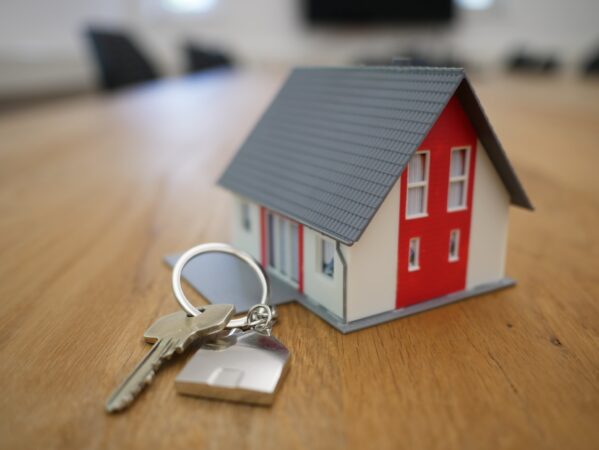
A miniature home and a set of keys
You can only secure the home of your dreams for a lower price if you have the right knowledge.

Look for a knowledgeable real estate agent in the actual area

Finding a knowledgeable real estate agent is vital when looking to save money on real estate transactions. A skilled agent can and will provide valuable expertise and guidance throughout the process. Their in-depth understanding of the local market, current trends, and negotiation strategies can make a significant difference in achieving your goals. So, when searching for an agent, look for someone with a proven track record, positive client testimonials, and a thorough knowledge of your desired area. A knowledgeable agent will help you determine the fair market value of a property, identify potential issues or opportunities, and even negotiate favorable terms on your behalf. They can also provide insights into the local community, amenities, and schools, helping you make an informed decision. Still, don’t hesitate to interview multiple agents and ask questions about their experience and approach to find the best one.

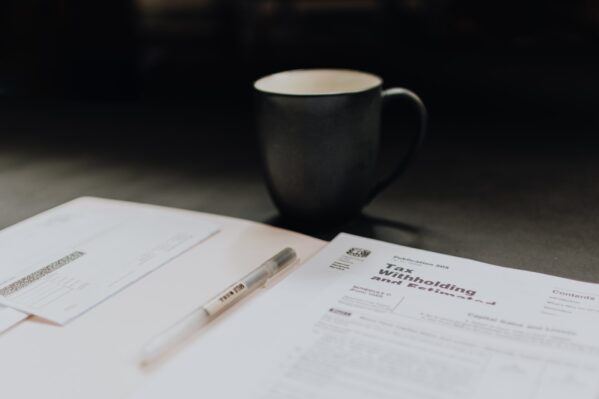
A document on taxes and a black mug
A real estate agent will also guide you through taxes and similar expenses that influence property costs.

The power of buyer rebate

Also relevant is the buyer rebate. A buyer rebate is a financial incentive some agents offer buyers who work with them during a home purchase. It is typically a portion of the commission earned by the buyer’s agent. And the agents return it to the buyer as a cash rebate after the transaction is complete. Buyers can save money on their real estate transactions by offering this rebate. You can use the rebate to offset closing costs, reduce the purchase price, or cover other expenses related to buying a home. So, it’s a way for buyers to receive part of the agent’s commission and increase their savings during a transaction.

Shop around for financing options

When it comes to financing your real estate purchase, shopping around for the best options is essential. Different mortgage lenders offer various interest rates, loan terms, and closing costs. By comparing multiple lenders, you can potentially save a significant amount of money over the life of your loan. So, start by researching and obtaining quotes from several reputable lenders. Pay attention to the interest rates they offer and compare them.
Also, consider the loan terms, including duration and prepayment penalties. Remember, even a slightly lower interest rate can result in substantial savings over time. Finally, take the time to improve your credit score before applying for a loan, as it can positively impact the interest rate you receive.

Consider buying a pre-foreclosure or short-sale property

Considering buying a pre-foreclosure property can be a smart move for savvy homebuyers. This is because these types of properties are often priced below market value, offering potential cost savings. Pre-foreclosure properties are homes that are about to be repossessed by lenders due to the owner’s inability to make mortgage payments. This means that they are often looking to sell quickly and at a price that’s just enough to cover the money they owe. However, it’s crucial to be aware of the risks involved, such as the property’s condition and potential legal complexities. After all, even though the bank does not own the property yet, there are potential problems.

Don’t skip the home inspection process

Skipping the home inspection is a mistake you don’t want to make when buying a property. A comprehensive home inspection is crucial to uncover any hidden issues that may not be apparent to the untrained eye. Inspectors thoroughly bring to light the property’s condition, including its structure, plumbing, electrical systems, and more. They can identify potential problems that could cost you a significant amount in repairs after purchase. From hidden water damage to faulty wiring, a home inspection can reveal issues that may impact your decision to purchase or provide an opportunity to negotiate repairs or price reductions with the seller. So, hiring a reputable home inspector and being present during the inspection is highly recommended.

Be extremely mindful of closing costs

When finalizing a real estate transaction, it’s crucial to be mindful of closing costs. These expenses always add up quickly and absolutely ruin your overall budget. In addition to the standard costs, such as appraisal fees, title, and escrow fees, there may be other unforeseen expenses. For example, if you’re moving from SF to Los Angeles, hiring last minute movers in San Francisco so you can get expert help on a short timeline could take a large chunk of your budget. It’s important to plan for these potential costs ahead of time to avoid any financial surprises! So, by budgeting for closing costs and factoring in any additional expenses that may arise, you can save money on real estate transactions.

A calculator and a makeshift scale of a spoon, potato, and coins
You must account for all the potential costs in your budget well ahead of time!

Negotiate the purchase price and terms

When buying a property, it’s essential to learn how to negotiate the purchase price and terms effectively. Negotiation skills make a significant difference in the final deal. So, start by pinning down the property’s actual value. This knowledge will give you a solid foundation for your negotiation strategy. Furthermore, consider factors such as comparable sales, market conditions, and any unique features or issues with the property. When making an offer, this lets you justify your proposed price and highlight any potential drawbacks or advantages. Don’t be afraid to negotiate on other terms, such as contingencies, repairs, or seller concessions. Finally, keep in mind that negotiation is a give-and-take process, and it’s crucial to remain flexible and open to compromise. If you are not sure you can do well, it’s also fine to leave negotiations to a hired professional.

Explore government programs and incentives

Before you purchase a home of your own, it’s important to explore government programs and incentives that may be available to you. These programs are designed to assist homebuyers in various ways, such as providing financial assistance or offering favorable loan terms. For example, Federal Housing Administration (FHA) loans require lower down payments and more flexible credit requirements. Additionally, there are grants and subsidies available for first-time homebuyers that can help with down payment and closing costs. Researching and understanding these programs can potentially let you save money on real estate transactions and make homeownership more accessible. So, take the time to explore local, state, and federal programs that are relevant to your situation.

Thoroughly plan to save money on real estate transactions

With our guide on how to save money on real estate transactions, you can get an affordable home! So long as you actually put in the effort, at least. It will come down to your ability to plan and put our advice into play, but as long as you are careful, we know you’ll succeed!

How to Prepare Your Home for a Successful Showing and Open House

A yellow-brick house with a manicured lawn

Welcome to our blog post on how to prepare your home for a successful showing and open house, especially in the vibrant city of Los Angeles. Selling a home can be an exciting yet challenging process, and ensuring your property shines during showings and open houses is crucial for a successful sale. Take time and prepare your home meticulously. Increase the chances of attracting potential buyers and making a lasting impression. In this article, we’ll explore essential tips and strategies to boost curb appeal, stage your home to sell, and create an inviting ambiance. We’ll also discuss the benefits of a successful showing and open house, giving you a comprehensive overview of how to make your LA home stand out in a competitive market.

Enhance the First Impression: Spruce up Your Home’s Exterior

The first thing potential buyers notice at your home is the exterior. That is why it is crucial to make a great first impression. Start by cleaning and de-cluttering your front yard. Remove any items that don’t belong, as these can create a sense of chaos and disorganization. Next, pay attention to maintaining the lawn, garden, and landscaping. Trim overgrown bushes and trees, and remove weeds. Consider adding colorful flowers and plants to add vibrancy and charm to your home’s exterior.

Additionally, repairing or repainting a house’s exterior can instantly boost curb appeal. A fresh coat of paint or some touch-ups work wonders. Finally, ensure a welcoming entryway by cleaning the front door, replacing outdated hardware, and adding a welcoming doormat. Remember, buyers don’t want to see a messy or neglected exterior. Invest time in creating an inviting and well-maintained outdoor space.

A brown sofa with blue pillows and a white carpet
Put away excessive furniture to make the room look cleaner.

Stage Your Home to Sell

When selling a home, the goal is to create an environment where potential buyers can easily imagine themselves living there. Start by de-cluttering and depersonalizing each room. Remove personal items, excessive furniture, and any unnecessary clutter to create a clean and spacious feel. Carefully put away excess belongings and prepare them for transport on time because you will probably move to a new home soon. Enhancing natural light makes a space feel bright and inviting. Open curtains or blinds, clean windows, and ensure adequate lighting fixtures are in place. Showcase the potential of each room by highlighting its unique features and purpose. Lastly, when you sell your home and start the moving process, let a local team help out. Hiring reputable movers for a local move in LA will alleviate the stress of moving and ensure a smooth relocation process.

A cleaning mop on brown laminate floor
Deep cleaning is one of the best ways to prepare your home for a successful showing and open house.

Deep Clean and Repair

To prepare your home for a successful showing and open house, deep cleaning and repair are essential. Start by thoroughly cleaning every room, leaving no surface untouched. Try to make floors, windows, and surfaces spotless and gleaming. Remove any lingering odors and ensure fresh air circulation throughout the house. A breath of fresh air makes a notable difference in how potential buyers perceive your home. Next, address any visible damages or issues promptly. Repair chipped paint, replace broken tiles, and fix any visible flaws that could detract from your home’s appeal. It’s also crucial to check and repair plumbing and electrical systems to ensure they are in optimal condition. Finally, ensure all appliances are in working order, as malfunctioning appliances can raise concerns for potential buyers. A well-maintained and clean home gives buyers confidence and helps create a positive impression during showings and open houses.

Highlight Key Features and Upgrades

It’s essential to highlight its key features and upgrades to make your home stand out. Start by emphasizing the unique selling points that make your home special, such as a spacious backyard, a stunning view, or a desirable location. Showcase any recent renovations or upgrades you have made, whether it’s a newly remodeled kitchen or a renovated bathroom. Create inviting spaces that potential buyers can envision themselves enjoying, whether it’s a cozy reading nook or a stylish outdoor patio. Consider including before and after photos or examples to demonstrate the transformation of your home. By highlighting these features and upgrades, you increase the perceived value of your home. Remember, pricing your home right is crucial to ensure it aligns with the market and offers a competitive advantage.

A cat next to sunflowers in a vase
It’s important to create a pleasant ambiance for potential buyers.

Prepare Your Home for a Successful Showing and Open House: Create an Inviting Ambiance

When holding an exhibition or an open house, creating an attractive environment is vital to attracting the attention of potential buyers and increasing the chance of a successful sale. Consider playing soft background music to set a relaxing and pleasant atmosphere. Adjust the temperature and lighting to create a comfortable setting that feels welcoming and cozy. Adding fresh flowers or plants throughout the space can bring a touch of nature and freshness. Finally, don’t forget to set up refreshments and snacks for visitors. This thoughtful gesture provides a hospitable environment and encourages guests to linger and envision themselves in your home. Creating an inviting ambiance makes potential buyers feel more at ease and increase their positive perception of your property.

Market Your Open House

When it comes to marketing your open house, leveraging various channels is essential to maximize its visibility. Start by utilizing online listing platforms and social media to reach a broader audience. Create compelling descriptions and share enticing photos and virtual tours to pique the interest of potential buyers. Place “For Sale” signs in visible locations. Don’t underestimate the power of word-of-mouth marketing; inform your neighbors about the open house and encourage them to spread the word. If you collaborate with real estate agents, it can also provide additional exposure through their network of potential buyers. By implementing these marketing strategies, you’ll increase the chances of attracting a larger crowd to your open house and, ultimately, finding the right buyer for your home.

Conclusion

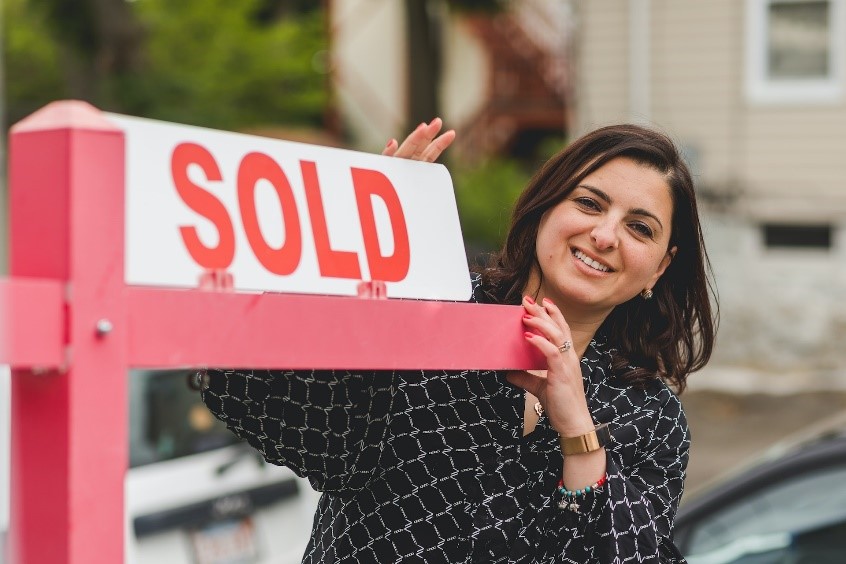
Implementing the tips and techniques proposed in this article will prepare your home for a successful showing and open house. Remember the importance of boosting curb appeal, staging your home to sell, and creating an inviting ambiance. Following these steps will increase the chances of a successful showing and open house, ultimately leading to a successful sale. So, roll up your sleeves, put these strategies into action, and watch as your efforts pay off in the form of a “Sold” sign in front of your beautifully prepared home.

Real Estate Negotiation Tips for First-Time Buyers

Real Estate Negotiation Tips for First-Time Buyers

So, you are at a place in your life where you want a sense of stability and peace of mind for you and your family. You don’t want to pay big money to rent a house and then have to ask the landlord’s permission for every little thing you want to change. The most logical decision is to buy a house and become a proud owner of your first real estate. But things aren’t that simple, especially in a highly competitive market like California. It is hard to find a house that fulfills all your criteria, and at the same time, its price is acceptable. If an opportunity shows, you must react quickly and be decisive. But also, you will need negotiation skills and an intelligent agent. We offer a few real estate negotiation tips for first-time buyers to help you get the house of your dreams.

Real estate negotiation

A house is the most expensive commodity you will buy in your life. That’s why you must do everything possible to get the most out of the money. In most cases, it is good to listen to your instincts, but in this matter you have to rely much more on the knowledge and experience of professionals you trust and all the possible information you can get to help you make the right decision. Also, you need to turn your social skills and charm to the highest level because they can help you get the home you want. All of these may seem basic, but they are some of the most important real estate negotiation tips to have in mind.

A woman standing beside a man holding keys.
It is very important to be kind and patient in real estate negotiation

Polite and affirming language

One thing is for certain – you won’t go far if you’re being rude and cold towards the seller. You should indeed be reserved and suspicious (to some extent), and you shouldn’t fall for everything they say, but being kind is always the correct answer. When talking to the house owner, try to use affirmative language as much as possible. Listen to them carefully when they are speaking so you don’t give the impression of someone who’s not impressed. Even if that’s true, and after all, you decided that the house is not for you, just politely decline the offer, and walk away. Thank the seller for their time, and never be afraid to say no. Being kind should not mean having no confidence.
Remember, if you approach the owner respectfully, that is what you’ll get in return. Make them feel comfortable and be friendly and open to talk about yourself. If you do so and bring some personal matters into the conversation, they will be available to make some adjustments (like settling on the right price) to their offer in your favor. Kindness truly opens many doors, and not just in situations like these.

Keep your cards close to your vest

If you like the house you’re buying and it’s what you’re looking for, try not to show your excitement in front of the seller. They might conclude that you are ready to go further to get the house and use this to get the maximum price. Try to convince them that you have other options that you are seriously considering. For the same reason, don’t be too quick to respond after you receive a counter offer. Ask for the time to talk to the real estate broker and consider the price. The danger of losing the buyer will usually make the seller more willing to accept a lower offer. So, the most important part is to consult with your agent about the price that you offer and try to play it cool. If you listen to professionals’ advice, the house you dream about will be yours.

A person signing a paper.
Explore all the information sources and learn more about the place you plan to buy.

Information is the most valuable asset

How successfully you will end your negotiations largely depends on your skill and the information you have. Based on this information, you will create a negotiation strategy and form a price you plan to offer. Use all available sources of information to learn as much as possible about:

The neighborhood – explore the opportunities it offers. The reason you move is primarily to improve your quality of life. It means being close to good schools, restaurants, shops, and entertainment facilities. But also, based on your information, you can conclude how the price of your property could change in the future. It is information that can significantly affect your negotiation strategy. Also, estimate to what extent your relocation will be completed. Moving is always a stressful thing. Whether you are moving a few blocks or coast to coast, from Miami to Los Angeles, for example, and you need to hire interstate movers. That’s why you need to find the right moving partner to help you, which is significant.

The home you’re buying – if necessary, inspect the home several times. Spot any potential problems that will require you to spend money on repairs. Document everything and write down what you liked and what you didn’t. In general, writing down your notes is one of the best real estate negotiation tips you can use to your advantage.

Buyers talking to the seller.
How the owner talks and acts can tell you a lot.

Be mindful of their body language

The way that the property owner talks and acts will give you an idea of the property’s condition. If you sense that the seller is not completely calm, or you feel any distress or desperation in the way they talk, it is probably a sign that something with the property isn’t right and they are trying to sell it to the first person who is naive enough to fall for their tricks. Don’t hesitate to walk away if you feel that there is something that they are not telling you.

Paying attention to how they talk and act isn’t the only way. Real estate negotiation is tricky. Better inform yourself of the property before you actually come and see it. It is known that houses on the market for a long time are not the most desirable among buyers. That means that there should be a malfunction of some sort. The owners of these properties are usually desperate to sell them since their price is gradually decreasing, so they might not tell you everything. Be careful of that.

Conclusion

If you want your home-buying to succeed, you must learn basic negotiation skills. It is also important to hire and rely on an experienced professional agent. If you don’t, you will probably end up disappointed with the house you don’t like, or you might not get the house at all. Here are some real estate negotiation tips that can help you.


The Top Mistakes to Avoid When Selling Your Home

Remember the top mistakes to avoid when selling your home.

There’s a common misconception that property selling is a piece of cake. Unfortunately, this can be a very stressful process that can take longer than expected. Unless you’re selling your home as-is, you have a lot of planning to do before you can place it on the market. Otherwise, you risk losing money rather than making a profit. Now, there’s no way to foresee all that could happen during this process. However, some common mistakes can be avoided. Thus, to ensure everything goes as smoothly as possible, look at some of the top mistakes to avoid when selling your home.

No. 1 Hiring the wrong real estate agent is one of the top mistakes to avoid when selling your home

Firstly, if you plan on selling your home, you should consider hiring a real estate agent. These professionals have the knowledge and experience to sell your property quickly without hassle. However, you must carefully pick the right person for the job. More precisely, you must find a realtor who can make the real estate deals a pleasant experience for you. That entails looking for a licensed professional with stellar customer reviews and a long history of selling homes in the area.

A couple talking with a realtor.
Make sure you hire a knowledgeable and experienced realtor.

No. 2 Not taking into account the selling costs

One of the biggest mistakes people make when selling their homes is thinking that the buyer will cover all the costs. But this couldn’t be further from the truth. Selling a property is pretty steep, so you should prepare for this. Apart from the realtor’s commission, you’ll also have to cover the closing costs and the costs of any significant repairs. All these additional expenses can amount to 10% of the sale price.

No. 3 Failing to set the right price

Failing to set the right price is one of the top mistakes to avoid when selling your home. Of course, you want to make a big profit, but this is not always possible. By overpricing your home, you risk not selling at all. More precisely, you’ll scare off buyers, and your property will remain on the market for a long. Ultimately, you’ll likely be forced to sell at below-market value just to get it off your hands.
At the same time, that doesn’t mean you should underprice it unless you use it to attract lots of buyers and start a bidding war. But this is a bit risky as well. Instead, you should focus on pricing your home right. Research and identify similar properties in the area to determine your home’s worth. You can also ask your realtor for a comparative market analysis. Or, if you’re willing to pay an additional cost, you can hire an appraiser.

No. 4 Not taking care of the necessary repairs

Not taking care of the necessary repairs before placing your home on the market is a big mistake. Buyers almost always ask for a home inspection before finalizing the transaction. If the inspector finds major issues, the buyer can either pull out of the deal or ask you to take care of the repairs. Since you’ll have to do the repairs quickly, the costs will likely be higher than usual.
As such, it’s best to avoid this situation. The best solution here would be to do a pre-inspection of your own. Once you identify all the issues, hire professionals to do the repairs. The good news is that even minor repairs can increase the value of your home. So your money won’t go to waste. If your budget allows it, you can also do minor updates to increase the property value. But this is not mandatory.

Two men doing home repairs.
Not taking care of the necessary repairs is one of the top mistakes to avoid when selling your home.

No. 5 Failing to stage your home

Any realtor can tell you that staging is essential for selling a property. If you do it right, you’ll be able to attract the right buyers and sell faster. Here are some of the things you should focus on:

  • Clean and declutter your home. Because clutter and mess are some things buyers don’t want to see when they view properties; that will distract them from noticing the beautiful features of your home and will make the place appear smaller.
  • Depersonalize your home. Buyers need to be able to envision themselves living there. And this is impossible to do when the property is full of your belongings. Thus, you should remove family photos, your kids’ toys and artwork, collectibles, and heirlooms. You should also consider redecorating with neutral colors.
  • Improve your home’s curb appeal. Since the front yard is the first thing buyers see when they view the property, this will affect how they perceive the rest of the house. So, make sure you mow the lawn, trim the bushes and trees, and plant flowers.
A house with a beautiful curb appeal.
Staging your home by improving curb appeal is a good selling strategy.

No. 6 Letting your emotions get in the way

If you’ve been living in your home for many years, it’s normal to have a strong emotional connection to it. After all, you’ve made many beautiful memories there, and it’s hard to let go. The problem is that these emotions often get in the way of a good deal.
For example, you might not be willing to negotiate a lower price because of how much that place means to you. Or you might be inclined to limit viewing because you feel uncomfortable with too many strangers entering your home. Still, you have to remember that this is a business transaction. Therefore, if you want to sell and profit, leave your emotions out of it or let your realtor take care of everything for you.

No. 7 Making rash decisions

If you’re under a lot of pressure to sell fast, you risk making rash decisions you’ll regret later. Therefore, discussing things with friends, family, and professionals is best to develop the best solutions.
For instance, if you have to relocate for a job as soon as possible, this doesn’t mean you should sell below market value. Instead, look for a temporary rental until your home sells. Then, you can look for last-minute moving services in California and hire movers. These pros can help you on short notice and even provide storage solutions for items that don’t fit into your rental.

Conclusion
Selling a property is not easy. There are many things to take care of before placing your home on the market to get the best possible deal and sell fast. Of course, this also depends on how much time and money you have. At the same time, no matter how well you prepare, some things might still not go your way. In any case, to ensure the best possible outcome, remember the top mistakes to avoid when selling your home.

The Importance of Pricing Your Home Right

a woman near a “sold” sign

The process of selling a home can be both exciting and nerve-wracking. The right real estate agent, effective advertising, and thorough home staging are all crucial steps in the selling process. However, pricing your home right is crucial. A home priced too high may not sell at all. On the other hand, a low price can cause a storm of offers—in the case of a hot market, this leads to a huge increase in the price. However, in the case of a slow market, a low price only attracts low offers. In this piece, we will talk about why it’s so important to set a fair price for your home and then offer some tips for doing so.

Why is Pricing Your Home Right So Important?

The Time Needed to Sell

You may find that the selling price of your property plays a significant role in the whole ordeal. Overpricing a home increases the likelihood that it will sit on the market for a very long time, producing stress and frustration for the seller. However, if you set your asking price too low, your home may sell quickly, but you may not make back what you put into it. Experts at Mod Movers California will tell you how many of their clients lost a lot of money on storage while their home was on sale. So be sure to find an agent to help you sell your home as quickly as possible.

Buyer’s Worry

Buyers may worry that there is something wrong with a house that has been on the market for a long time and be less willing to make an offer. There are a lot of things that buyers don’t want to see in your home. And if the price is too low, they might start to suspect something. That’s why setting the right price from the get-go is important. Since the longer a home is on the market, the greater the likelihood that the price will need to be lowered, this might start a downward spiral. Also, bidders may make lowball offers on a house that has been on the market for a long time because they believe the seller is desperate to move.


a key in a lock

There are a lot of things that your home’s price can influence

Losing Money

Selling your home for less than it’s worth could get you an offer quickly, but it could also leave you short. If you’ve just spent a lot of money and time renovating your home, this could be very frustrating. In addition, if your home is priced too low, you may entice buyers who are not in a position to acquire it. It’s possible that this will result in a sale not going through, which will be a complete waste of your resources.

Determining the Right Price for Your Home

Your home’s pricing must be just right if you want to sell it. House prices depend on several factors, such as the current real estate market, the property’s location, and the home’s condition. Listed below are some guidelines to help you determine the most appropriate property selling price:

Research the Local Real Estate Market

To get a good price for your home, you need to investigate the local market. Check out what other homes in the area are selling for to get an idea of what your market value of yours should be. This will provide you with an idea of how much money potential buyers are willing to spend on a home like yours. Find out how long it typically takes for homes in your area to sell. Knowing this will help you estimate the time it will take to sell your home.

Work with a Real Estate Agent

A real estate agent’s knowledge of the local market is crucial when determining how much to ask for a home. A CMA (comparative market analysis) can be created using the information they have about comparable sales in the area to help you set the right price. Choosing a real estate broker can be a real hassle, but the general tip is to always work with one. If you take a little more time and find the right agent, your experience will surely be much smoother.


a real estate broker that helped with pricing your home right

A real estate agent can be a lot of help with these tasks

Consider the Condition of the Home

Your home’s condition is a significant factor in determining a fair asking price. A property that has been meticulously maintained will command a greater price than one that needs considerable work. Take into account the home’s age. The condition of the roof and HVAC. The status of any other major systems needs to be taken into account as well. Consider the impact of any renovations or upgrades you’ve done on the asking price.

Be Realistic

Set a reasonable price for your home. Expecting a quick sale by pricing your home too high is a recipe for frustration. Keep in mind that your home is only worth as much as someone is willing to pay for it. Prepare to adjust the price based on your broker’s and potential buyers’ feedback. In such cases, an affordable realtor can make your real estate deals more pleasant is crucial. The sooner you find a good helping hand, the sooner you’ll understand what the price of your home is. So be sure to find an affordable agent to help you accurately price your home.

Don’t Let Emotions Get in the Way

When selling a home, it’s tempting to let your heart rather than your head determine the asking price. It’s essential to keep in mind that your home is a business asset and that pricing it too high out of sentiment could backfire. So pricing your home right is important. Think of your home as a commodity that needs to be priced affordably on the market. That way, you will have less attachment to it. The sooner you get over that notion, the better. It can be hard, yes. But in some cases, it is mandatory.


a white house with a sign in the front yard

pricing your home right is essential if you want your home to sell fast

In Conclusion

Pricing your home right is essential if you want to sell it quickly. Over or undervaluing a home can have far-reaching consequences and disrupt the entire selling process. Studying the local real estate market, speaking with a real estate agent, evaluating the condition of the home, being practical, and avoiding emotional attachment will help you set the right price for your home and increase your chances of a successful sale. Remember that setting the right price for your home is just the beginning of the selling process and that working with a trusted real estate professional is essential.