What to look for in a real estate agent?

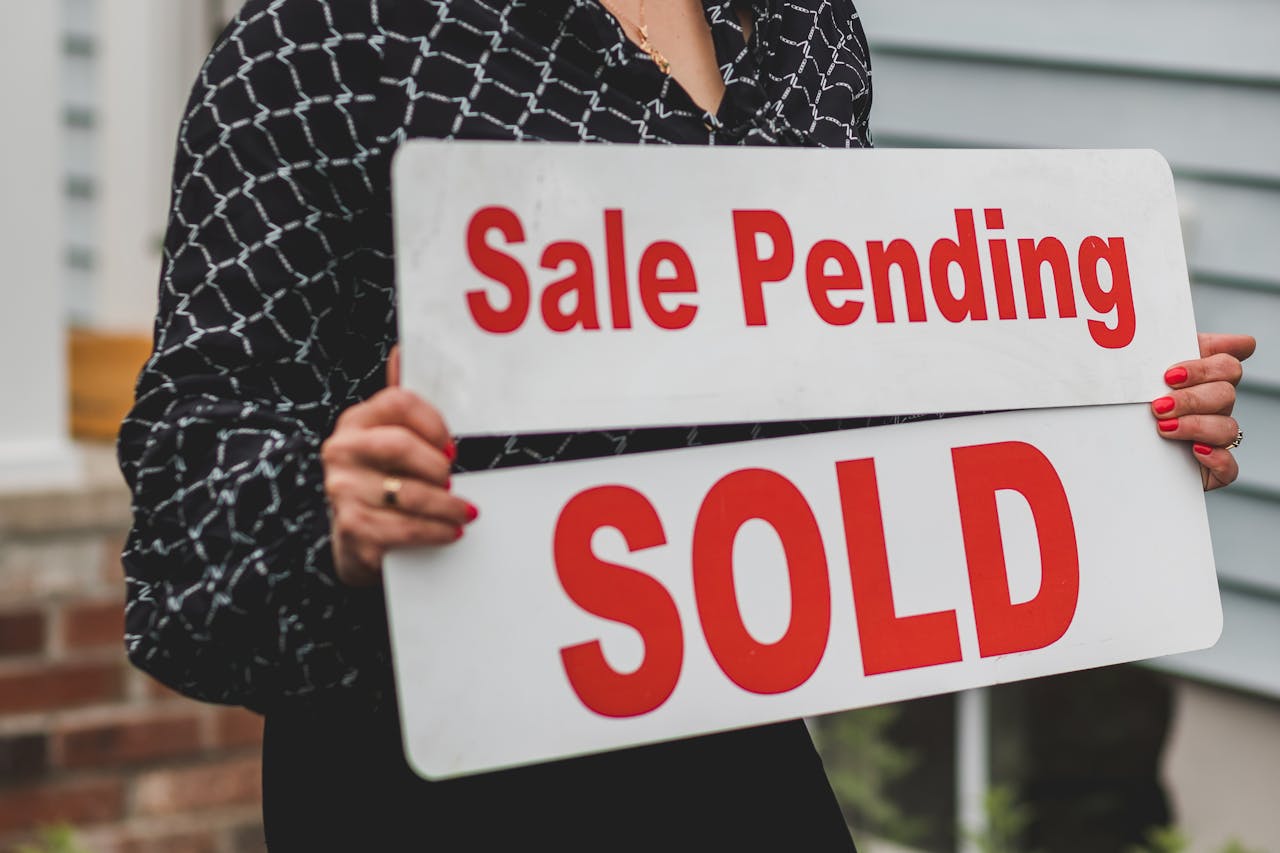
A woman holding signages for real estate selling

Finding the right real estate agent can make all the difference when buying or selling a home. A good agent can save you time, money, and stress, guiding you smoothly through the process. But with so many options, how do you choose the best one for your needs? In this article, we’ll explore key qualities to look for in a real estate agent. We’ll also discuss the advantages of flat fee agents. By the end, you’ll know what to look for to ensure a successful real estate transaction.

The Advantages of Flat Fee Agents

Flat-fee agents offer a different approach to real estate commissions. Instead of charging a percentage of the sale price, they charge a fixed fee. That can save you significant money, especially on higher-priced homes. Flat fee agents provide all the essential services of traditional agents but at a lower cost. They often offer flexible packages tailored to your specific needs. That can give you more control over the services you pay for.

Lower Costs with Flat Fee Agents

One of the main advantages of flat-fee agents is the potential for lower costs. Traditional agents typically charge 5-6% of the sale price, which can add up to thousands of dollars. A flat-fee agent charges a set amount regardless of the property’s value. That can result in substantial savings, particularly in a high-priced market. Lower costs mean more money in your pocket, whether buying or selling.

Transparent Pricing

Flat fee agents offer transparent pricing, making understanding what you’re paying for easier. There’s no mystery about commission rates or hidden fees. You know upfront how much you’ll pay and what services are included. This transparency can reduce stress and make budgeting simpler. It also allows you to compare different agents and their offerings more easily. Clear pricing helps you make an informed decision.

A real estate agent explaining and showing something on a piece of paper to his clients
Flat-fee real estate agents offer transparent pricing, making it easier to understand what you’re paying for.

The Role of a Real Estate Agent in the Moving Process

Navigating the moving process is another area where a real estate agent can provide invaluable assistance. They can help you coordinate timelines to ensure everything aligns perfectly with your move. A good agent can advise on the best times to move and how to prepare your home for the transition. In addition, real estate agents often have connections with trusted moving services like fairfaxtransfer.com. They are a professional moving company specializing in helping individuals and families relocate smoothly and efficiently. The company offers various services, from packing and loading to transportation and unloading, ensuring all your belongings are handled carefully. By collaborating with such professionals, your real estate agent can facilitate a smoother moving experience, helping you hire reliable movers who are well-equipped to manage the logistics of your relocation.

Flexible Service Packages

Many flat fee agents offer flexible service packages to suit different needs and budgets. You can choose from various options, from basic listing services to full-service packages. That allows you to pay only for the services you need. For example, you might handle showings but want professional marketing and negotiation help. Customizable packages give you more control over the process and can lead to additional savings.

Incentive to Sell Quickly

Flat fee agents are often motivated to sell your property quickly. Since they earn a set fee, they’re not waiting for a higher commission. That can lead to more proactive marketing and quicker sales. An agent focused on efficiency can save you time and reduce the stress of a prolonged sale. Their incentive aligns with your goal of selling promptly and at a good price.

High-Quality Service

Contrary to some misconceptions, flat fee agents can provide high-quality service. They are licensed professionals with the same qualifications as traditional agents. Many have extensive experience and a strong track record. The lower cost doesn’t mean lower quality; it simply reflects a different business model. You can expect the same level of expertise and dedication from a reputable flat fee agent.

Experience and Local Market Knowledge

Experience is one of the most important factors when choosing a real estate agent. An experienced agent knows the ins and outs of the market, helping you make informed decisions. They understand local trends, property values, and the best neighborhoods. Look for an agent with several years of experience in your area. They should have a track record of successful transactions similar to yours. This local expertise can give you a significant advantage.

Strong Communication Skills

Effective communication is crucial in real estate transactions. Your agent should be able to clearly explain the process, answer your questions, and keep you informed every step of the way. They should also be accessible and respond promptly to calls, texts, and emails. Good communication also means listening to your needs and concerns. An agent who understands your goals can better help you achieve them. Ensure your agent is someone you feel comfortable talking to and respects your communication preferences.

Negotiation Skills

Negotiation is a key part of real estate transactions. Your agent should be a skilled negotiator who can secure your best deal. That involves more than just price; it includes terms, contingencies, and closing costs. A good negotiator can save you thousands of dollars. They should be able to handle tough negotiations with confidence and professionalism. Look for an agent with a proven track record in successful negotiations.

Client Testimonials and Reviews

Past clients’ experiences can give valuable insights into an agent’s performance. Look for testimonials and reviews online. Positive reviews can indicate a reliable and effective agent. Pay attention to specific comments about their communication, professionalism, and results. You can also ask the agent for references to speak with former clients directly. That can help you gauge their satisfaction and the agent’s strengths and weaknesses.

Compatibility and Personal Connection

Choosing an agent you connect with can make the process more enjoyable. You’ll be working closely with them, so feeling comfortable and understood is important. An agent who genuinely cares about your needs will work harder to meet them. They should be empathetic, patient, and supportive. Compatibility can lead to better communication and a smoother experience. Trust your instincts when meeting potential agents.

text: A gentleman and a lady looking at a tablet while smiling
Choosing an agent you connect with can make the process more enjoyable.

Conclusion

Choosing the right real estate agent is crucial for a successful transaction. Look for experience, strong communication skills, and a solid professional network. Consider their marketing and negotiation abilities, and check client testimonials. Ensure they are properly licensed and prioritize transparency and honesty. Flat fee agents offer unique advantages, including lower costs, transparent pricing, and flexible services. Considering these factors, you can find an agent who meets your needs and helps you achieve your real estate goals.


How to Choose the Right Community When Relocating for Retirement

An older couple sitting on a porch and talking about how to choose the right community when relocating for retirement

Relocating for retirement is not a decision to take lightly, and choosing where to move to enjoy this new chapter of your life is essential. After all, this decision influences your daily life and overall happiness. Whether you’re looking for vibrant social activities, serene landscapes, or proximity to health services, each aspect matters. So, how do you choose the right community when relocating for retirement? We’re here to guide you in making the best decision with our practical advice and detailed insights. With each section, you’ll gain the tools to make an informed choice, ensuring your retirement is as joyful and fulfilling as possible.

Understand Your Retirement Lifestyle Needs

Envisioning your retirement is key to choosing the right community. Whether your interests lie in golfing, painting, sailing, or exploring nature, find a community that aligns with your hobbies. Many communities designed for active adults feature amenities like golf courses, art studios, marinas, and extensive trail systems.

Group of older adults talking about how to choose the right community when relocating for retirement
To choose the right community when relocating for retirement, first understand your lifestyle preferences thoroughly.

When considering a move, especially to a diverse state like California, the benefits of using a real estate agent become clear. A knowledgeable agent can pinpoint communities that best suit your lifestyle preferences, ensuring every day of your retirement is as engaging and enjoyable as you imagined.

Social Connectivity

Retirement should be a vibrant and fulfilling period filled with new friendships and social activities. Communities that prioritize social connectivity often feature communal spaces and a calendar full of social events, fostering easy integration into new social circles.

This aspect of community life is very important for maintaining mental and emotional health, making it a significant factor in your decision-making process. Choosing a community with strong social structures ensures that your retirement is enriched with meaningful interactions and a supportive network.

Evaluate Health Care Services

Proximity to quality healthcare facilities is very important as health needs tend to increase with age. Research the healthcare services available in each community and evaluate their reputation and the range of services offered. This ensures you have access to excellent care, just a stone’s throw away.
Many retirement communities now emphasize wellness, offering programs that promote active and healthy lifestyles. Facilities like gyms, pools, and group exercise classes can keep you physically active, while other programs might focus on nutrition and mental health, significantly enhancing your quality of life.

Financial Planning for Retirement Living

Your retirement budget is critical in determining where you can comfortably afford to live. It’s important to calculate all potential expenses, including housing costs, homeowners’ association (HOA) fees, and ongoing maintenance costs that vary greatly between communities.

Person explaining mortgage payments to an older couple
Consulting a financial advisor is crucial when planning your retirement finances.

Don’t forget your moving costs either, especially if you’re planning a long-distance move, like from Florida to California. Exploring cost-effective retirement living options and aiming to avoid costly pitfalls can greatly assist in maintaining a financially comfortable lifestyle without overstretching your resources.

Long-term Financial Security

You should pay close attention to planning for your long-term financial security. Many retirement communities offer flexible living options that adapt to changing health and mobility needs, allowing you to transition from independent living to more supportive care as necessary.

This adaptability is vital for managing future healthcare expenses and maintaining financial stability over the long term. By carefully considering these options, you ensure that your chosen community can continue to meet your needs as they evolve throughout retirement.

Location and Environment

Climate is a significant factor in choosing a retirement location. Whether you prefer the warm, sunny climates of states like Florida and California or the cooler, varied seasons of the Northeast, consider how the weather can affect your health and lifestyle. Additionally, think about the geographical landscape. Do you want to live by the beach, or do you prefer mountain views?

An often overlooked aspect of choosing a retirement community is its safety and infrastructure. Ensure the community is designed with safety in mind, with features like secure buildings and well-lit pathways. Also, assess the accessibility of amenities and whether the community meets your mobility needs.

Practical Considerations for Relocating

It may not be easy to choose the right community when relocating for retirement, as it involves careful consideration of both your current and future needs. Here are additional things to consider to ensure your move is successful and your new environment meets all your expectations.

Moving Logistics

Relocating for retirement often involves significant logistics, especially if you’re moving from one state to another, such as from Florida to California. Hiring professional interstate movers can be a game-changer, as they take on all the heavy lifting and meticulous packing, helping to safeguard older adults from injuries during the move. When you decide to move here with professional help and cross state lines, remember that the right movers will not only transport your belongings securely—they will also make the entire process stress-free and efficient, allowing you to focus on settling into your new home comfortably.

Legal and Administrative Tasks

When relocating, managing legal and administrative details is crucial. This includes updating your legal documents, such as wills and healthcare directives, to reflect your new location. Additionally, familiarize yourself with the tax laws and benefits in your new state. Handling these tasks efficiently ensures that your move is physically and legally smooth, setting you up for a hassle-free life in your new home.

Community Integration

Once you have moved, integrating into your new community is key to enjoying a fulfilling retirement. Participate in local events and join clubs or groups that align with your interests. This involvement can accelerate the formation of new friendships and help you feel more at home in your new environment. Establishing these connections early on can greatly enhance your comfort and happiness as you adjust to your new life.

Three older women having a party
Community integration enhances your retirement experience by connecting you with like-minded neighbors and local activities.


Transition Smoothly into Your Golden Years

Making sure you choose the right community when relocating for retirement can significantly enhance your quality of life during your golden years. By carefully considering factors such as financial implications, healthcare accessibility, and lifestyle amenities, you set the stage for a fulfilling and joyful retirement. Engaging with real estate experts can further refine your search, providing personalized insights that align with your needs. With thoughtful preparation and expert guidance, you are empowered to make a decision that enhances your golden years, ensuring they are as rewarding as they are enjoyable.

The Benefits of Temporary Housing Options When Selling Your Home

Two men shaking hands above the ’for sale’ sign

Amidst all the decisions when preparing to sell your home, one option stands out for its effectiveness: temporary housing. Utilizing the benefits of temporary housing options can transform your selling experience. It offers flexibility, allowing you to move out and present your home in the best possible light for potential buyers. Also, it eliminates the daily hassle of keeping your house ‘show-ready’ and provides a peaceful retreat during a hectic time. With temporary housing, you gain the advantage of not rushing into buying your next home. It ensures making the right decision for your future. This article explores these benefits, helping homeowners understand how temporary housing can lead to a more profitable and less stressful selling experience.

The Benefits of Temporary Housing Options: Flexibility

Opting for temporary housing while selling your home will give you flexibility, particularly regarding the timing of your sale. This approach allows homeowners to patiently wait for the right offer without feeling pressured to accept lower bids due to the urgency of moving out. In a market where timing is crucial, having this flexibility can significantly influence the final sale price. Living elsewhere temporarily means your home is always ready for showings, with no last-minute rush to tidy up or schedule conflicts. This ease of access is convenient for you as a seller but also appealing to potential buyers, who can visit the property at their leisure. Overall, temporary housing during the home-selling process offers a strategic advantage, ensuring that you are not hurried into decisions and can maximize the potential of your property in the market.

Two people carrying small and medium cardboard boxes
One of the best benefits of temporary housing options is the absence of pressure to accept lower bids

Maximizing Your Home’s Value

Maximizing your home’s value hinges on its presentation to potential buyers. Temporary housing provides a unique benefit in this respect. With the property vacant, homeowners can fully engage in staging and renovations without the disruptions of daily living. This clear space facilitates more manageable modifications and presents a blank canvas to buyers, enabling them to envision their own life in the space. Therefore, to prepare your home for the market, you should de-clutter. Remove all personal items and excess furnishings to create a more spacious and inviting environment for prospective buyers.

However, this transition often requires finding a place for your belongings. Renting storage space offers a safe solution, ensuring your valuables are protected while your home is on the market. But be sure to properly prepare fragile items for storage to ensure they remain intact. Specifically, you should look for quality packing materials and label all those boxes as fragile. Properly packed and stored items are secure and out of the way, contributing to a neater, more organized home presentation.

Reducing Stress During the Selling Process

Choosing temporary housing during the sale of your home significantly reduces stress, a key benefit often overlooked. By not residing in the property on the market, homeowners are spared the constant need to maintain a spotless environment for impromptu viewings or open houses. This separation from the sales process allows for a more relaxed daily routine, free from the disruptions of selling a property.

In addition, the ease of handling viewings without the homeowner’s presence often leads to a more comfortable experience for potential buyers. They can explore the property without feeling intrusive, potentially leading to quicker and more positive sale outcomes. In essence, the emotional and mental well-being benefits provided by temporary housing during the home-selling process are immense. It contributes to a more pleasant and efficient experience for all involved.

Parents with their daughters exploring a house on sale
Open house days are meant for carefully looking and exploring the house without any pressure from anyone

Exploring New Neighborhoods or Cities

One of the benefits of temporary housing options is the unique opportunity they provide to explore new neighborhoods or cities before making a long-term commitment. Opting for temporary accommodation gives you the freedom to live in a prospective area, allowing for a deeper understanding of the local lifestyle, amenities, and community dynamics. This hands-on experience is invaluable.

You can assess commute times, noise levels, nearby services, and neighborhood safety. This approach gives you time to research various locations without the pressure of a hurried purchase. Finally, residing temporarily in a new area can lead to more confident and satisfying buying choices. Homebuyers who take advantage of this strategy often find themselves better equipped to select a neighborhood that suits their needs and preferences, paving the way for a happier, more contented life in their new home.

Cost-Effective Solutions in Temporary Housing

Exploring affordable temporary can help in managing finances effectively. Let’s break down the types of cost-effective temporary housing and compare their benefits with the costs involved:

  • Short-term rentals include apartments or homes available for a few weeks to several months. While slightly more expensive, they offer complete privacy and the comfort of a home-like environment.
  • Extended Stay Hotels can be economical for medium-term stays, especially when you take into account the amenities provided.
  • Vacation Rentals are cost-effective solutions, especially in the off-season. You can find them on platforms like Airbnb.
  • Room Rentals in a house can be the most budget-friendly option, but with limited privacy and space.
  • Subletting is an option that is cheaper than official short-term rentals, but availability can be less predictable.

Balancing the costs with the benefits of each option will help you find a temporary housing solution that fits your budget while making your transition period more comfortable and less stressful.

A room with a bed, sofa, and a laptop on top of a chair
Renting one bedroom instead of a larger space is significantly cheaper

Making the Move Easier

By emptying your property and opting for temporary housing, you reduce the complexity and disorganization often associated with moving. Specifically, it gives you enough time to sort and organize your possessions methodically. This time is invaluable for sorting items that will go to the new residence, sold, or donated. It also offers a calmer pace to plan the eventual move into the new home. It ensures that, when the time comes, the process is well-organized and less chaotic.

Final thoughts

In conclusion, the benefits of temporary housing options when selling your home are clear and significant. From enhancing the appeal of your property to potential buyers to offering a stress-reduced lifestyle during the selling process, temporary housing stands as a strategic choice. It grants flexibility in timing, cost-effectiveness, and a simplified moving experience. As you consider the next steps in your home-selling journey, reflect on how temporary housing could streamline your transition. Don’t hesitate to contact local real estate experts for more information or assistance in finding the right temporary housing solution. They can provide valuable insights and support, making your home selling experience as smooth and efficient as possible.

Real Estate Investment Vehicles: Exploring REITs and Alternative Investment Structures

Making plans for different real estate investment vehicles

To bolster your portfolio, you must learn everything about real estate investment vehicles. So, let’s get into the various strategies, structures, and considerations that can help you make better decisions and harness the potential of real estate investments!

Definition and Purpose of REITs

Real Estate Investment Trusts, commonly known as REITs, are popular real estate investment vehicles. These trusts allow individuals to invest in income-producing properties without directly owning them. The primary purpose of REITs is to provide people with a convenient and accessible way to gain exposure to the housing market. Unlike traditional options that often require significant capital and hands-on management, REITs offer a simpler alternative. By pooling funds from multiple participants, REITs acquire and manage a diverse portfolio of assets, including office buildings, apartment complexes, shopping malls, and more. In return, the participants receive regular dividends from these properties’ rental income and capital appreciation. REITs are a smart choice for those seeking passive income, portfolio diversification, and the potential for long-term capital growth.

Types of REITs

REITs are not one-size-fits-all investment vehicles. Instead, they offer a variety of options to suit various goals. So, let’s go over the three common types:

  • Equity REITs are the most common option. They generate income primarily from rent collected from tenants and capital appreciation from property value increases.
  • Mortgage REITs, conversely, don’t own properties but focus on mortgage loans and other debt investments. They earn money through interest on their loans and can be more sensitive to interest rate fluctuations.
  • Hybrid REITs combine equity and mortgage REITs elements. They are a mix of physical properties and loans, balancing income and capital gains.

Choosing the right type of REIT depends on your objectives, risk tolerance, and the role you want them to play in your portfolio.

Risks Associated with REITs

While REITs offer an accessible way to manage your real estate investments, they also come with their own risks that investors should be aware of. One significant risk is interest rate sensitivity. Changes can influence REITs in interest rates, and when rates rise, the cost of borrowing for property acquisitions can increase, potentially affecting profitability. Furthermore, market volatility can impact the stock prices of publicly traded REITs, causing fluctuations in your investment’s value. Another consideration is the quality of management within the REIT. Specifically, their decisions can directly affect the performance of the underlying real estate assets. Therefore, it’s crucial to conduct due diligence, diversify your investments, and understand that, like any investment, REITs involve some risk.

How to Invest in REITs

Investing in REITs is straightforward, providing diverse options to suit your preferences. You can start by purchasing publicly traded REIT shares through a brokerage account, much like buying stocks. These are highly liquid and trade on major stock exchanges, making them easily accessible. Another option is opting for REIT-focused mutual funds or exchange-traded funds (ETFs), which provide a diversified portfolio of REITs. Those seeking direct involvement in private REITs can explore offerings from financial institutions or consult with a financial advisor for assistance.

Alternative Options

In addition to REITs, there are several alternative structures to consider for diversifying portfolios. One such option is Limited Partnerships (LPs), which allow you to become a limited partner alongside a general partner who manages the investment. LPs can offer significant tax benefits but may limit your involvement in decision-making. Real Estate Crowdfunding platforms have gained popularity, too, enabling individuals to pool their resources and invest in properties collectively. That provides accessibility to various projects with lower capital requirements. Furthermore, Real Estate Syndications involve a group of people contributing funds to purchase or develop properties, typically managed by a sponsor. Lastly, Private Equity Real Estate Funds combine aspects of various structures, offering diversified exposure to different property types and strategies. Exploring these alternatives alongside traditional REITs can help you tailor your strategy to match your risk tolerance and objectives!

Factors to Consider When Choosing an Investment Vehicle

When deciding on an investment vehicle, you must weigh various factors aligning with your financial goals and circumstances. First and foremost, are you looking for steady income, long-term growth, or a balance of both? Liquidity needs are equally important to think about! Will you require quick access to your invested capital, or can you commit for an extended period? Furthermore, don’t overlook the tax implications, as different vehicles may have varying tax consequences. Additionally, diversification within your portfolio can help mitigate risk and optimize returns.

Finally, you also need to be aware of all your potential expenses that affect profitability, including potential moving costs. Here, you can take advantage of useful resources like mastermovingguide.com. This database of the best movers helps you find quality moving services in your area. Once you make a list of the top companies, you can ask them for moving quotes to determine the costs involved. By carefully considering these factors, you can make a better selection!

Portfolio Diversification

REITs offer a unique opportunity to balance your investments, as they often behave differently than traditional stocks and bonds. For example, sustainable real estate practices can be a crucial component of this diversification, as they align with the growing global focus on environmentally responsible and socially conscious investing. Sustainable properties contribute to a greener planet and offer potential long-term value through energy efficiency and reduced operational costs. Therefore, by including properties that prioritize sustainability in a REIT, you spread risk across asset classes and support adopting eco-friendly practices that benefit your portfolio and the planet. Similarly, other niches have their own advantages, and REITs can help you access more of them!

Common Mistakes to Avoid in Real Estate Investments

To avoid investment mistakes when picking REITs, navigating the market with care and foresight is essential. One common error is overlooking due diligence. Failing to thoroughly research a property or investment opportunity can have nasty financial consequences. Ignoring tax implications is another pitfall since taxes can significantly impact your overall returns. Furthermore, chasing yield without understanding the risks can be detrimental. High-yield opportunities may seem enticing. However, they often come with higher levels of risk and may not align with your investment goals or risk tolerance. So, if you’re aware of these things, you can steer clear of these common missteps!

Regulations and Compliance in Real Estate Investment

You must get acquainted with their regulations if you want to use REITs as your real estate investment vehicle. The Securities and Exchange Commission (SEC) has a set of stringent regulations governing REITs. These rules ensure transparency, protecting people from fraudulent schemes. Therefore, professional advice and legal guidance ensure you fully comply with all relevant laws and regulations. Compliance extends beyond SEC regulations, too. Local, state, and federal laws can also impact real estate transactions, tax obligations, and property management. So, staying informed and adhering to these regulations needs regular effort and due diligence.

Make the Most of Real Estate Investment Vehicles

With what we covered on the diverse real estate investment vehicles, you can ensure you make thoughtful choices! That, in turn, will let you bolster your portfolio in a way that will truly benefit you instead of draining your funds. And if you stay informed, adapt to market shifts, and continually assess your portfolio, you can make the best possible use of future opportunities, too!

Residential Remodeling: Maximizing Space and Aesthetics for Optimal Home Appeal

Reconstruction equipment in the hallway

In today’s market, where personalization is key, remodeling offers an opportunity to transform your home into a reflection of your taste and lifestyle. This guide dives into the essence of residential remodeling, focusing on maximizing space and aesthetics for optimal home appeal. We recognize homeowners’ unique challenges in this endeavor, from selecting suitable design elements to strategically using every inch of space. Our insights will help you navigate these challenges, ensuring your remodeled space is visually appealing and highly functional. Expect practical tips that cover everything from layout planning to the latest design trends.

Creative Ways to Enhance Your Living Area

The skillful use of space can significantly elevate the functionality and appearance of your home. This approach maximizes space and aesthetics for optimal home appeal and involves innovative strategies to make the most of every area. One effective method is incorporating multi-functional furniture, which serves various purposes without occupying extra room.

For example, a sofa bed can provide seating during the day and transform into a comfortable sleeping space at night. Similarly, built-in storage solutions like wall-mounted cabinets or shelves can help declutter and organize your living space efficiently.

In addition, the strategic mirror placement and thoughtful lighting can create an illusion of more space, making rooms appear more open. These design choices enhance the practicality of your home but also contribute to an overall aesthetic.

A large mirror on the bedroom wall
Carefully positioned mirrors give the impression of a larger and more open space

Maximizing Space and Aesthetics for Optimal Home Appeal

Achieving a balance between maximizing space and enhancing aesthetics impacts functionality and visual appeal. This equilibrium is about creating more room and designing visually pleasing spaces reflective of personal style. For instance, a well-planned kitchen remodel can utilize innovative cabinet designs and open shelving, which provide ample storage and contribute to a modern look. Clever furniture placement and thoughtful color selection can make a room feel larger and more inviting without sacrificing style.

Using vertical spaces with tall shelving units and choosing light, reflective colors are practical ways to achieve this. In bedrooms, under-bed storage and mirrored wardrobes offer space-saving solutions while maintaining a chic and elegant atmosphere. Importantly, this harmonious blend of space and aesthetics significantly boosts home value and appeal. In short, a home that balances these elements well is a comfortable place to live and a wise investment.

Modern-designed kitchen
Clever furniture placement helps in maximizing space and aesthetics for optimal home appeal

Sustainable and Eco-Friendly Remodeling Choices

Incorporating sustainability into home remodeling is increasingly becoming a priority for homeowners conscious of their environmental impact. This approach involves selecting eco-friendly materials and designs that ensure energy efficiency and long-term sustainability.

Using recycled or renewable materials like bamboo flooring or reclaimed wood can significantly reduce the environmental footprint. Also, opting for energy-efficient appliances and fixtures, such as LED lighting, low-flow toilets, and energy-star-rated appliances, can lead to substantial savings in utility bills over time.

Another aspect of sustainable remodeling in improving energy efficiency is insulation and ventilation. Proper insulation minimizes heat loss in winter and keeps the home cooler in summer, reducing the need for excessive heating or air conditioning. Further, using non-toxic paints and materials improves indoor air quality, creating a healthier living environment.

The Role of Lighting in Transforming Home Spaces

Lighting is a powerful tool in home remodeling, helping you maximize space and aesthetics. It profoundly influences how we perceive and enjoy spaces. Proper lighting can dramatically alter a room’s ambiance, size, and overall aesthetic. For instance, a well-lit room feels more spacious and welcoming, while dim lighting can create a cozy, intimate atmosphere. Use lighting strategically to enhance the beauty and functionality of each space.

Natural light can significantly elevate a home’s appeal. Large windows, skylights, and strategically placed mirrors can amplify daylight, making rooms appear more spacious. When choosing accurate lighting, consider the purpose of each room and the desired mood. Energy-efficient options like LED bulbs provide long-lasting, cost-effective illumination, while dimmer switches offer flexibility in adjusting light levels to suit different times of the day or activities.

Renting Storage During the Process and Navigating Remodeling Challenges

During a home remodel, renting a storage unit is a necessity, especially for extensive remodeling projects. A less cluttered work environment can speed up remodeling as workers have unobstructed access to the areas needing attention. Also, it provides a blank canvas for designers and contractors, enabling them to visualize and execute the remodel plan.

When selecting a storage unit, consider proximity to your home for easy access. In this context, opting for a portable storage unit during remodeling is highly advantageous. It allows you to conveniently place them near your home, ensuring easy access to your belongings while keeping them out of the way.

Choose a unit size that accommodates all your items comfortably. Organize your belongings into categories and label boxes to save time and stress when moving back in.

Prioritize security features. Look for units with robust security measures like 24-hour surveillance, secure locks, and restricted access. It ensures your belongings remain safe throughout the remodeling process.

Integrating Technology for a Modern Home Appeal

Incorporating smart home technology is a renovation that pays off. It transforms living spaces into more efficient, connected, and user-friendly environments. It offers homeowners control over various aspects of their home, from climate to security, all through their smartphones or voice commands. Areas for tech integration include automated lighting systems, programmed to adjust based on time of day, and smart thermostats that optimize energy use while maintaining comfort.

These technologies offer ease of use and contribute to energy savings and environmental sustainability. It’s necessary to consider functionality and aesthetics when selecting technology for home remodeling. Opt for devices with a sleek design that complements your home’s interior. User-friendly interfaces are crucial, ensuring all family members can effortlessly interact with the new technology.

Accessorizing Your Remodeled Space

Accessorizing your newly remodeled space is like adding the final brushstrokes to a masterpiece. Select accessories that complement the new design and reflect your style. The key is to strike a balance between functionality and decorative flair. For instance, choose decorative cushions that add color to your living room while providing extra comfort. Wall art can personalize a space and reflect your interests or memories, transforming existing structures into conversation focal points.

Consider functional pieces like stylish storage baskets or elegant bookends that serve a purpose while enhancing the room’s aesthetic. Plants are another excellent way to accessorize; they bring life to any space and can improve air quality. When selecting accessories, consider the color scheme and style of the room. Pieces that contrast can create visual interest, while those that blend in can create a harmonious feel.

potted plants in a well-lit apartment
Plants add vitality to any area and enhance air quality

Final thoughts

This guide has illuminated the essential steps for maximizing space and aesthetics for optimal home appeal. From the strategic use of lighting to enhance space and beauty to incorporating technology for modern convenience. Each aspect plays a significant role in transforming your home. We’ve explored the importance of color schemes, textures, and the right accessories to personalize your space. We mentioned the practicality of renting storage during remodeling. Embracing these elements can turn the remodeling process into a creative and rewarding journey. We encourage you to apply these insights and start your remodeling project, crafting a living space that perfectly aligns with your vision and lifestyle. Let your home remodeling adventure begin!

Adaptive Reuse in Construction: Transforming Existing Structures for New Purposes

A man holding a sign that represents adaptive reuse in construction.

The concept of adaptive reuse in construction is reshaping urban development paradigms. In this evolving field, the implementation of sustainable practices in construction becomes paramount. At its core, this innovative approach involves repurposing old buildings to serve new, functional needs. In today’s environmentally conscious era, adaptive reuse emerges as a crucial strategy, blending the preservation of historic structures with the demands of modern sustainability. This article aims to unfold the layers of adaptive reuse, highlighting its significance in conserving resources and enriching communities with a blend of history and modernity. We will delve into the intricate processes, navigate through the challenges, and celebrate the success stories of adaptive reuse, offering a holistic view of its role in contemporary architecture and urban design.

Understanding Adaptive Reuse

Adaptive reuse in construction creatively marries the charm of old structures with the functionality of modern design. This approach, deeply rooted in our architectural heritage, is becoming increasingly popular as a sustainable solution in urban development. It involves transforming existing buildings, often with historical significance, into spaces that serve new purposes. This method stands out for its environmental benefits, as it reduces the need for new materials and the energy typically consumed in construction. Economic advantages are also notable; adaptive reuse can be more cost-effective than new builds, providing a boost to local economies.

An interesting perspective comes from those in the moving industry, like Big Man’s Moving Company, who often handle the relocation of businesses and residents into these newly transformed spaces. They have observed a growing preference among their clients for buildings that blend historical features with modern amenities. This trend highlights the public’s increasing appreciation for spaces that tell a story, offering more than just functionality but also a sense of connection to the past. It underscores the importance of adaptive reuse in preserving buildings and creating vibrant, sought-after living and working environments that resonate with people on a personal level.

In maintaining the urban fabric of cities, adaptive reuse plays a pivotal role. It bridges the gap between the historical identity of a community and its evolving needs. As cities expand and change, this approach ensures that growth is sustainable and that valuable architectural heritage is not lost but instead repurposed for future generations.

The Community and Social Impact

Beyond its environmental and economic benefits, adaptive reuse in construction also profoundly impacts community and social dynamics. These projects often serve as catalysts for neighborhood revitalization, breathing new life into forgotten areas. By repurposing old buildings, adaptive reuse can introduce new services, cultural venues, and public spaces to underserved communities, significantly enhancing residents’ quality of life. Furthermore, these initiatives often become symbols of community pride, preserving local history and identity. They foster a sense of belonging and connection among inhabitants, turning spaces into places with emotional and social significance. The success of such projects in enriching community life underscores the multifaceted value of adaptive reuse in shaping vibrant, cohesive urban landscapes.

The Process of Adaptive Reuse

Embarking on an adaptive reuse project begins with an in-depth analysis of the building’s architectural and historical merit. Teams of architects and urban planners evaluate various factors, such as the structure’s condition, historical significance, and the feasibility of repurposing it for new uses. This phase often involves creatively addressing design challenges presented by outdated layouts and infrastructures.

An essential part of this process is navigating the complex legal and regulatory requirements. Projects that convert historic structures into commercial spaces, for instance, must adhere to contemporary safety standards and building codes. At this juncture, it’s imperative to be vigilant about costly pitfalls to avoid. Underestimating the extent of necessary renovations, such as updating obsolete electrical systems or reinforcing structural elements, can lead to unexpected financial burdens. Consequently, detailed planning and consultation with specialists in adaptive reuse and our Flat Fee Realtors are key to circumventing these challenges and ensuring a project’s success. Because of our Flat Fee, our agents do far more transactions and have far more experience in the field than agents from any other company.

Innovative Examples of Adaptive Reuse

The global landscape of adaptive reuse showcases a multitude of inspiring projects. In cities like London, former industrial buildings have been ingeniously converted into stylish residential lofts, merging raw industrial charm with contemporary living comforts. Meanwhile, in New York, historical buildings have been repurposed into boutique hotels or avant-garde art galleries, creating spaces that offer immersive experiences rooted in history.

Among these transformations, certain renovations that pay off stand out. For instance, integrating state-of-the-art, energy-efficient systems, applying smart building technologies, and using sustainable building materials significantly enhance a building’s functionality and market appeal. These upgrades are particularly attractive to an audience that values spaces combining environmental responsibility with modern amenities.

The Future of Adaptive Reuse

As we look ahead, adaptive reuse is poised to become an increasingly influential factor in sustainable urban development. This approach offers a practical solution to urban density and climate change challenges, providing an eco-friendly alternative to traditional construction methods. The key challenge in the future of adaptive reuse lies in striking a balance between preserving the historical essence of structures and equipping them for contemporary needs.

Strategies that emphasize the use of local, eco-friendly materials, focus on energy efficiency, and aim to minimize waste contribute to environmental health and resonate with a growing demographic of eco-conscious consumers. Such practices ensure that adaptive reuse projects enhance the urban fabric and set a benchmark for responsible development.

Embracing Technology and Innovation

As we look towards the future, the role of technology and innovation in adaptive reuse projects becomes increasingly pivotal. Cutting-edge tools like 3D modeling and virtual reality are transforming how architects and designers envision transforming old buildings. These technologies allow for more accurate planning and visualization, enabling teams to identify potential issues and explore creative solutions before physical work begins.

Additionally, advancements in sustainable building materials and smart home systems are being integrated into adaptive reuse projects, enhancing energy efficiency and user experience. This fusion of technology with historical architecture preserves the past and ensures that these structures are equipped to meet future demands. The integration of such innovations is paving the way for adaptive reuse projects that are sustainable, cost-effective, and aligned with the rapid technological advancements of our times.

Conclusion

Adaptive reuse in construction is a testament to our innovative spirit and commitment to sustainability in the face of urban development challenges. This approach offers a harmonious blend of preserving historical architecture while adapting it for modern use. As architects and urban planners continue to explore and embrace adaptive reuse, the possibilities for reshaping our urban landscapes are endless. This method paves the way for a future where we honor our architectural heritage and actively contribute to creating a sustainable, efficient, and aesthetically engaging urban environment.

How to Stage Your Home for a Faster Sale

Some of the steps you can take to stage your home for a faster sale

The key to selling your home swiftly and at an optimal price is to stage it. By strategically preparing your property, you can capture the attention of potential buyers and make a lasting impression. So, let’s explore the essential steps and expert tips to stage your home for a faster sale!

Understand your target market
Understanding your target market is critical when working to stage your home for a faster sale. You can effectively tailor your staging efforts by identifying potential buyers and researching local real estate trends. This knowledge lets you focus on what aspects of your property appeal to your target audience.

For instance, if your research reveals a growing interest in modern kitchens, you may highlight your kitchen’s features during staging. Similarly, this will help you decide if you need to look into property renovations and whether they’ll pay off. In other words, if the market demands updated bathrooms, investing in a renovation could significantly increase your property’s appeal and resale value.

Declutter and depersonalize
Decluttering and depersonalizing your home are essential steps in working to stage your home for a faster sale. Start by removing excess furniture and personal items to create a clean, spacious atmosphere that potential buyers can envision as their own. Clear countertops, organize closets, and minimize decorations to make rooms more open and inviting.

It’s also a good idea to let buyers see the potential of each space without distractions. Therefore, consider storing personal photos and memorabilia to create a neutral canvas that allows buyers to picture themselves living in your home. However, to achieve this, you must also pack and move your bulkier belongings into storage or your new home. If you’re in a hurry and this seems intimidating, don’t worry. You can always save time with packing services. Experts can pack everything fast and safely, just as you like it.

Stage your home for a faster sale: Clean and repair
Ensuring your home is clean and in good repair is a fundamental aspect of preparing it for sale. A clean house leaves a positive impression on potential buyers and indicates that your property has been well-maintained. Start by thoroughly cleaning every room, paying attention to often overlooked areas like baseboards, windows, and carpets. A sparkling clean property instantly feels more inviting and move-in ready. If you call our Flat Fee Realtor, we can recommend the good cleaners that will make your home look sparkling clean.

In addition, addressing any necessary repairs is a must. Small fixes like leaky faucets or loose doorknobs may seem minor, but they can raise red flags for buyers. Fixing these issues demonstrates that your property is in good condition and ready for new owners. Finally, don’t forget to inspect the exterior, repairing damaged siding or cracked walkways!

Enhance curb appeal
Boosting your property’s curb appeal is a powerful way to make a lasting impression on potential buyers. After this, this is the first chance for buyers to gauge if they’re interested in a purchase. So, start by sprucing up your landscaping with fresh mulch, trimmed bushes, and colorful flowers. A well-maintained lawn and garden make it easy to imagine the potential of a property.

Consider a new coat of paint for your front door, too, as this can add a pop of color and vitality. Repair any cracks in the driveway or walkway to ensure a smooth entryway. Outdoor lighting can also work wonders, making your home appear warm and welcoming, even at night. Don’t forget to remove any clutter from the yard, like old furniture or kids’ toys.

Furniture arrangement and layout
When it comes to selling your home, the arrangement and layout of your furniture play an essential role. Maximize space and flow to make your property more appealing to potential buyers. You can start the process by removing furniture that can cramp up rooms. Then, focus on creating open pathways and highlighting the natural flow of each space.
Arrange furniture to showcase the functionality of each room, too, such as turning a spare room into an office or a cozy reading nook. It’s important to create inviting living spaces where buyers can envision themselves.

Finally, strategically placing furniture can emphasize your home’s best features, such as a beautiful fireplace or a scenic window view. Proper furniture arrangement can be challenging, but you can lean into the benefits of using a real estate agent for advice. Working with our Top Flat Fee agents, you get access to the best and the most affordable staging.

Lighting and ambiance
Lighting and ambiance can set the mood for your property and attract potential buyers. Good lighting can make spaces feel warm and inviting, while poor lighting can make them appear dull and uninspired. So, when staging your home, consider the lighting that complements each room’s purpose.

For example, bright and well-distributed lighting works well in kitchens and offices, while softer, ambient lighting can create a cozy atmosphere in living rooms and bedrooms. Adding floor, table, and pendant lights can also enhance the overall ambiance. Also, consider strategically using candles or LED candles to create a soothing and welcoming vibe. Natural light is also a significant asset, so open curtains and blinds to let in as much daylight as possible.

Staging for photography
Staging for photography is a major step when working to stage your home for a faster sale. High-quality listing photos can more easily draw in buyers and ensure you can give them a walk-through. To ensure your property shines in these photos, start by decluttering, cleaning, and organizing each room, creating a tidy and photogenic space.

Then, use neutral colors and minimal decor to create a universally appealing look. Lastly, consider the services of a professional photographer specializing in real estate photography. Their expertise can capture your home in the best possible light, showcasing its beauty and uniqueness.

Staging for photography increases online appeal and even encourages in-person visits, especially if you secure professional assistance. So, investing time and effort into this process can pay off with a faster and more successful sale.

Staging for showings
Preparing your home for showings is the ultimate step in home staging. Creating an inviting and memorable experience for potential buyers when they visit in person is essential. Start by thoroughly cleaning and tidying up, ensuring every room is immaculate.

Ensure all your staging efforts are in place, from furniture arrangement to lighting. Open curtains and blinds to let in natural light, creating a bright and welcoming atmosphere. Consider soft background music or subtle scents like freshly baked cookies to engage multiple senses positively.

During showings, eliminate any potential distractions, such as pets or personal items. Be flexible with scheduling as well, accommodating potential buyers’ preferred times. Most importantly, leave the home during showings to give buyers the space to explore and envision themselves living there.

Working on promoting your property the right way
The decision to stage your home for a faster sale is a smart investment in ensuring your property’s appeal and marketability. Following the strategies outlined in this guide, you can create an environment that resonates with potential buyers, leaving a positive and lasting impression. From curb appeal enhancements to perfecting the details, these staging techniques can significantly impact the speed and success of your sale. So, take these insights to heart and get ready to welcome eager buyers to your beautifully staged property. Contact our Flat Fee Company for the best staging resources and solutions.

Building Green: Sustainable Practices in Real Estate Construction

A building site that follows sustainable practices in real estate construction

In real estate construction, embracing sustainable practices is no longer an option but a necessity. As environmental consciousness grows, integrating sustainable practices in real estate construction has become a defining factor in shaping the industry’s future. Our Flat Fee Realtors with green building expertise help clients purchase or sell property and they understand the market value and the features of energy efficient homes and buildings.

The benefits of green building
Sustainable practices in real estate construction offer many benefits for property owners and investors. So, to optimize your property renovations, you must include sustainable practices. First and foremost, green buildings are environmentally friendly, reducing carbon emissions and conserving natural resources, which can lead to a healthier planet.

Also, they can significantly lower long-term operational costs due to energy-efficient designs, saving you money in the long run. These eco-conscious constructions also increase property value, making them a smart financial choice. Green buildings prioritize the well-being of occupants by enhancing indoor air quality and overall quality of life.

Sustainable building materials
Sustainable building materials are at the forefront of sustainable practices in real estate construction. These materials, often derived from recycled or locally sourced resources, play a pivotal role in reducing the environmental impact of building projects. Construction becomes more eco-friendly by incorporating sustainable materials, such as reclaimed wood, recycled metal, or low-VOC paints and finishes. These materials minimize waste and contribute to healthier indoor air quality, benefiting the occupants’ well-being.

On top of that, sustainable materials are durable, prolonging the longevity of the building, which is both cost-effective and environmentally responsible. Their use can help projects earn green building certifications, further enhancing their eco-credentials.

Energy efficiency in green construction
Energy efficiency is a cornerstone of green construction and a game-changer for the environment and your wallet. In green buildings, every structure aspect, from insulation to lighting, is designed with optimal energy use in mind. Proper insulation, for instance, helps maintain a consistent indoor temperature, reducing the need for heating or cooling. Energy-efficient windows and doors keep unwanted drafts out and conditioned air in.

When it comes to powering your green building, renewable energy sources like solar panels and wind turbines can generate clean electricity on-site, saving money on utility bills while reducing your carbon footprint. By integrating these energy-efficient strategies, green construction minimizes environmental impact and offers significant long-term cost savings, making it a smart choice for the environment and your finances.

Water conservation and management
Water conservation and management are vital aspects of sustainable building practices. Green construction aims to reduce water consumption significantly by implementing water-saving techniques and technologies. Low-flow fixtures and appliances, such as efficient toilets and faucets, help minimize water wastage. Rainwater harvesting systems collect and store rainwater for non-potable uses, like irrigation, reducing the demand for municipal water supplies.

At the same time, landscaping design is crucial since opting for drought-resistant plants and smart irrigation practices can further minimize water use. Sustainable construction conserves water and manages it efficiently, a every drop counts.

Green building certifications
Green building certifications are benchmarks of sustainable practices in real estate construction. They provide a structured framework for assessing a building’s eco-friendliness. Two prominent certifications include LEED (Leadership in Energy and Environmental Design) and BREEAM (Building Research Establishment Environmental Assessment Method). These certifications evaluate various aspects of a building, such as energy efficiency, water conservation, and indoor air quality. Achieving certification showcases a commitment to environmental responsibility and offers several benefits. Certified buildings often have lower operational costs due to their efficient designs, which can lead to increased property value.

In addition, they promote healthier indoor environments, enhancing the well-being of occupants. Also, green building certifications can qualify projects for government incentives and tax benefits. They’re a way to validate a building’s sustainable practices, making them an excellent choice for environmentally conscious developers and investors.

Designing for natural ventilation and lighting
Designing for natural ventilation and lighting is not just about aesthetics. It’s about creating a healthier and more sustainable living environment for the sake of your dream home. When you harness natural light, you reduce electricity bills and create a brighter, more inviting space. Well-placed windows, skylights, and open floor plans can flood your home with daylight, making it more spacious and pleasant.

Not to mention, proper ventilation offers a continuous fresh air flow, reducing the need for mechanical cooling systems. Strategically placed windows and ventilation systems can help maintain comfortable indoor temperatures year-round.

Finally, embracing biophilic design elements, like indoor plants and natural materials, can further connect your home to the outdoors, enhancing the overall well-being of your living space.

Waste reduction and management
Waste reduction and management are crucial components of responsible construction practices. By minimizing waste and adopting efficient disposal methods, green construction projects can significantly reduce environmental harm. The 3 R’s – reduce, reuse, and recycle – are fundamental waste reduction principles. Minimizing excess materials during construction and reusing salvaged materials can significantly reduce waste. Recycling materials like concrete and steel further reduces the environmental footprint.

Regarding transporting waste or materials, the Affordable Reliable Moving Company Orange County emphasizes collaborating with moving and transportation professionals to provide proper transfer to the intended destinations. By managing waste effectively, you contribute to a more sustainable construction industry, mitigate environmental impacts, and possibly save costs associated with waste disposal.

Regulatory and policy considerations
Navigating regulatory and policy considerations is paramount in sustainable construction and real estate investment. Governments worldwide increasingly recognize the importance of eco-friendly building practices to combat climate change and preserve natural resources. This shift in focus is translating into stricter building codes and environmental standards. So, sustainable practices might become required to avoid costly pitfalls in real estate investment. Staying abreast of these regulations is essential, as non-compliance can result in legal and financial consequences.

However, these policies also present an opportunity as they often come with incentives and tax benefits for adopting sustainable practices, making it a wise choice for investors looking to maximize their returns while contributing positively to the environment.

For a better real estate industry
Ultimately, sustainable practices in real estate construction are the blueprint for a brighter, greener future. As we navigate the challenges of the modern world, it’s clear that building with the environment in mind is both responsible and advantageous. From energy-efficient designs to eco-friendly materials, our choices today will shape tomorrow’s sustainable landscapes. So, embracing these practices isn’t just a trend. It’s a commitment to a more sustainable and prosperous real estate industry. And our Top Flat Fee Realtors have strong knowledge of green building design, green construction, and energy efficiency techniques and technology.

Optimizing Property Returns: Renovations that Pay Off

Doing some DIY renovations that pay off

One key goal in real estate and property investment stands out: undertaking renovations that pay off. These strategic improvements not only enhance the functionality and aesthetics of a property but also significantly increase its value, ensuring a profitable return on investment. So, let’s delve into the art of making savvy renovation choices, from high-ROI projects to budget-friendly ideas.

Assessing your property
Once you acquire your ideal investment property, the crucial first step is assessing its current condition. Begin by thoroughly inspecting both the interior and exterior of the house. Check for any visible signs of wear and tear, such as damaged roofing, plumbing issues, or outdated electrical systems. It’s also essential to assess its structural integrity, looking for cracks or foundation problems. Take note of any aesthetic aspects that require attention, like peeling paint, worn-out flooring, or outdated fixtures. By conducting a comprehensive assessment, you’ll gain valuable insights into the necessary improvements needed to optimize your property’s returns in the long run. . By working with our Top Flat Fee Realtors, you will have access to the Top inspectors and contractors, which will help you avoid unpleasant surprises in the future.

High-ROI renovation projects
When maximizing your property’s return on investment, focusing on high-ROI renovations that payoff is key. Start with kitchen upgrades, which often provide an impressive return due to their central role in homes. Consider modernizing appliances or refreshing cabinets and countertops. Similarly, bathroom remodels can yield excellent returns by enhancing both functionality and aesthetics. Updating fixtures or tiles and adding energy-efficient features can also make a significant impact. Energy-efficient improvements, such as insulation and new windows, not only reduce utility bills but also add value to your property. Finally, cost-effective flooring and paint updates can breathe new life into your space without breaking the bank. Prioritizing these high-ROI projects can lead to increased home value and, ultimately, a more profitable investment.

Budget-friendly ideas
Budget-friendly renovation ideas can help you enhance your property’s value without draining your savings. Consider tackling some DIY projects like painting walls or installing new fixtures. Moreover, opt for cost-effective materials and fixtures that offer durability and style without breaking the bank. Another savvy approach is remodeling in phases. Instead of overextending your budget, prioritize essential renovations and spread out the costs over time. This makes the process more manageable and ensures you can maintain a comfortable financial cushion throughout your project. However, be mindful of what you can and can’t handle. For example, the Best Cross Country Movers recommend never trying to do a DIY move alone if you have valuable furniture to handle since any damage to it can be a serious loss. Similarly, other projects, like refreshing your home’s plumbing, are best left up to professionals.

Renovation financing options
Renovation financing options are crucial in turning your property improvement dreams into reality while helping you avoid costly investment mistakes. One viable approach is using personal savings, which ensures you’re not burdened by interest or loan payments. Alternatively, home equity loans and HELOCs allow homeowners to tap into their property’s equity, making renovations more accessible. Government grants and incentives can provide financial relief, especially for energy-efficient upgrades. Additionally, property improvement loans offer tailored financing for renovation projects. Carefully assess these options, considering your current financial situation and long-term goals. Choosing the right financing method allows you to embark on renovations that pay off with confidence.

Compliance with building codes
Ensuring compliance with building codes is a fundamental aspect of any property renovations that pay off. Adhering to these codes is essential as it guarantees that your renovations meet local authorities’ safety, structural, and environmental standards. Ignoring building codes can result in costly fines, delays, and even unsafe living conditions for occupants. Therefore, it’s crucial to research and understand the specific codes applicable to your project, obtain the necessary permits, and work closely with inspectors to ensure that your renovations remain compliant throughout the process. By prioritizing compliance, you avoid legal issues and ensure that your house is safe and desirable to potential buyers or tenants. Building code adherence is the foundation of a successful renovation, providing peace of mind and protecting your investment in the long run!

Project management tips
Effective project management is key to a successful property remodel. Begin by creating a detailed timeline that outlines each phase of the project, helping you stay organized and on track. Assign specific responsibilities and tasks to contractors and professionals and establish clear lines of communication to address any issues promptly. Flexibility is essential, too, as unexpected challenges can arise. So, having contingency plans in place ensures smoother progress. Regularly monitor the renovation process, addressing any deviations from the project promptly. Finally, keep a close eye on the budget to prevent overspending.

Staging and presentation
Staging and presentation play a crucial role in preparing your home for a successful showing. The importance of property staging cannot be overstated, as it helps potential buyers or tenants envision themselves living in the space. Start by decluttering and depersonalizing your home, allowing prospective residents to see its potential without distractions. Consider rearranging furniture to create an inviting and spacious atmosphere. Pay attention to lighting, ensuring that each room is well-lit and welcoming. Use neutral color schemes and tasteful decor to appeal to a broader audience. Professional real estate photography can highlight your property’s best features and create a lasting impression online, enticing more potential buyers or renters. Effective staging and presentation techniques can significantly affect how your property is perceived and increase its chances of a successful sale or rental!

Marketing your renovated property
Marketing your renovated property is essential to attract potential buyers or tenants. Our Flat Fee Company realtors always focus on compelling descriptions highlighting the renovations and improvements you’ve made. To reach a broader audience, we utilize digital marketing strategies, including social media advertising and MLS listings. Consider hosting open houses to allow interested parties to experience the property firsthand. Virtual tours can also be an effective way to give viewers an immersive look at the renovated space.

Additionally, our professional photographer will make your home even more attractive and generate interest and maximizes your property’s visibility and potential for a profitable sale or rental. So, by leveraging these strategies, you can ensure that your renovated property gets the attention it deserves in the competitive real estate market.

Working towards your long-term investment goals
In the end, the pursuit of renovations that pay off remains a timeless strategy. By carefully selecting projects, managing budgets wisely, prioritizing high-ROI improvements, and choose right realtor, you can ensure that your investments retain their value and appreciate over time. With the right approach, your properties can become assets that continue to yield lucrative returns, making your renovation journey a profitable and rewarding one!

Costly Pitfalls to Avoid in Real Estate Investment Ventures

Reading up on the costly pitfalls to avoid in real estate investment ventures

You must know how to approach the real estate market to make the most of your resources. So, let’s go over the costly pitfalls to avoid in real estate investment ventures!

Lack of proper research
One of the most costly pitfalls to avoid in real estate investment ventures is the lack of proper research. Failing to delve into comprehensive market research can imperil your real estate interests from the very outset. Without a keen understanding of the local market conditions, property values, and growth potential, you make speculation-driven decisions. So, protect your real estate interests by dedicating time to research. Flat Rate LA Real Estate can help you to scrutinize historical property data, assess the neighborhood’s infrastructure, and gauge the potential for appreciation. By arming yourself with knowledge, you reduce the likelihood of costly mistakes.

Neglecting due diligence
When you bypass the crucial process of due diligence, you’re skipping the necessary safeguards to save money on your real estate transaction. It involves thoroughly examining the property’s history, legal status, and condition, ensuring you make an informed decision. Ignoring this step might lead to unexpected complications, hidden liabilities, or expensive repairs. By working with our Flat Fee Realtor to conduct due diligence, you protect your investment and have the opportunity to negotiate better terms.

Overleveraging
Overleveraging in real estate investments can be a dangerous tightrope to walk. It’s akin to balancing on a financial precipice where you could easily lose footing. Overleveraging occurs when you borrow too much money to fund your property purchase, leaving you with a debt burden that can overwhelm your finances. The allure of leveraging lies in the potential for higher returns, but it comes with significant risks. Should the market take a downturn or your property’s value decline, you could find yourself in dire straits, struggling to meet mortgage payments. This delicate financial juggling act can ultimately lead to the loss of your investment and potentially damage your creditworthiness. You must strike a balance to safeguard your real estate interests, keeping your debt-to-equity ratio manageable and sustainable. Avoiding excessive borrowing allows you to navigate the real estate landscape more securely!

Ignoring location factors
When diving into real estate investment, neglecting location factors is akin to navigating blindfolded through a maze. Location is not just a buzzword, as it’s the cornerstone of a successful investment! The location dictates the demand for rental properties, resale value, and even your tenant pool. Moreover, as attested by Good Neighbors Moving Company LA, the costs of services such as moving and storage are also impacted by the location and need to be accounted for. So, a prime location can command higher rents and property appreciation.

Meanwhile, a less-than-desirable one can leave you struggling to fill vacancies and experiencing sluggish growth. To protect your real estate interests, prioritize location! Research the neighborhood and assess its amenities, schools, crime rates, and future development prospects. By making location a top consideration, you enhance your property’s value and secure a more prosperous real estate investment future.

Overlooking property inspection
Property inspection is a critical step in real estate investment that no wise investor should ever overlook. Skipping this vital procedure can lead to very costly consequences. Without a thorough inspection, you risk investing in a property with issues from structural defects to hidden infestations. And these problems can translate into substantial repair costs down the line. Flat Rate LA Real Estate works with the best inspectors in LA area. A comprehensive inspection is your insurance policy against unforeseen disasters, providing an accurate assessment of the property’s condition. Moreover, it offers valuable negotiation leverage, allowing you to request repairs or adjust the purchase price if issues are discovered.

Misjudging property valuation
Property valuation is a cornerstone of smart real estate investing, and underestimating its importance can have far-reaching consequences. Accurate valuation ensures you’re making a sound financial decision and protects your interests. Misjudging valuation can lead to financial setbacks, whether by overestimating or underestimating it. Overvaluing a property might result in an overpayment that can take years to recoup. Meanwhile, undervaluing can lead to missed opportunities or affect your financing options. So, a thorough understanding of valuation methods, such as comparative market analysis and appraisal reports, is essential. Moreover, staying attuned to local market trends and property values is crucial for making informed decisions. Contact our Flat Fee company, and we can help you to value the property right.

Failing to account for hidden costs
One of the most common and costly mistakes in real estate investment is failing to account for hidden costs. Hidden costs lurk beneath the surface, ready to ambush your finances when you least expect it. These expenses, which often include unexpected repairs, maintenance, or unforeseen legal fees, can throw your budget into disarray. Ignoring these potential financial landmines can erode your returns and jeopardize your profitability! So, to safeguard your real estate interests, it’s crucial to be meticulous in your financial planning. Create a comprehensive budget that considers not only the visible expenses but also allocates funds for contingencies. Additionally, tapping into the wisdom of experienced investors and seeking professional advice from Flat Rate LA Real Estate can provide valuable insights into the often underestimated hidden costs.

Disregarding market trends
Disregarding market trends in real estate investment is one of the most costly pitfalls. Market trends offer invaluable insights into where the opportunities lie and where caution is warranted. Ignoring these trends can result in missed chances for growth or putting money into declining areas. You must stay informed about the market’s pulse to protect your interests. That is where partnering with a knowledgeable realtor can be a game-changer. Realtors have their fingers on the market’s pulse, providing you with critical data and guidance. So, you should make the most of working with a realtor and leverage their expertise to make informed decisions!

Underestimating property management
Underestimating the significance of effective property management in real estate investment is akin to building a house without a foundation. So, it’s a grave misstep that can lead to a cascade of problems. Moreover, property management is not just about collecting rent; it involves maintaining a home’s condition, promptly addressing tenant concerns, and ensuring legal compliance. Neglecting these aspects can result in deteriorating values, tenant turnover, and potential legal troubles. Recognizing management’s vital role in safeguarding your real estate interests is key. So, engaging a professional manager or educating yourself about effective management strategies is essential. Moreover, overlooking management can lead to costly mistakes and missed opportunities for maximizing rental income and house appreciation. By giving due importance to management, you ensure that your real estate remains a source of stability and profitability over the long term.

Not having an exit strategy
Failing to establish a clear exit strategy in real estate investment is akin to embarking on a road trip without a map. It leaves you wandering and unprepared for unforeseen detours. An exit strategy is your safety net, a plan for various scenarios, be it selling for profit, renting long-term, or even passing down an inheritance. Without this roadmap, you risk being stuck with an underperforming portfolio or selling it hastily, leaving money on the table. Smart investors understand that having a well-thought-out exit plan that aligns with their financial goals and market conditions is essential. This strategy safeguards your real estate interests and enables you to make informed decisions throughout your real estate journey.

Lack of diversification
Failing to diversify your real estate investment portfolio is akin to putting all your eggs in one basket. It’s a precarious approach that can expose you to significant risks. Investing solely in one property type or location leaves you vulnerable to market fluctuations and local economic downturns. For example, if you concentrate all your investments in a single neighborhood, a downturn in that area can spell financial trouble. Diversification, on the other hand, spreads your risk and helps protect your interests. So, savvy investors understand that diversification is a key strategy for mitigating risks and achieving long-term financial stability.

Conclusion on Costly Pitfalls to Avoid in Real Estate Investment
Knowing the costly pitfalls to avoid in real estate investment ventures, you are better prepared to counter them! So, you can now truly make the most of the money you put into real estate.