Step-by-Step Guide to Negotiate Your Own Rebate Deal

The Homebuyer Rebate California program has become one of the most powerful tools for buyers looking to reduce their closing costs and maximize savings. With rising home prices and competitive markets, receiving a portion of your agent’s commission back at closing can make a significant financial difference. Whether you are a first-time buyer or a seasoned investor, understanding how rebates work—and how to negotiate one confidently—is the key to saving thousands.

In this guide, you will learn how to negotiate your own rebate deal step-by-step, which laws support the rebate process, how a Buyer agent rebate program in California works, and why choosing the Best buyer agent offering rebates in California is essential to maximizing your benefits. You’ll also see how modern brokerage brands like Flat Rate LA Real Estate bring transparency, value, and higher rebate percentages to California buyers.

This content aligns with what buyers search for when seeking rebates and negotiating smarter to get the most from their transaction.

What Is a Homebuyer Rebate in California

A homebuyer rebate is a legal refund of a portion of your real estate agent’s commission that is given back to you at closing. Instead of your agent keeping the full commission, they share a percentage—often 1 percent or more—with you.

In California, these rebates are fully allowed as long as they are disclosed and documented. This means you can reduce your costs legally and transparently.

Why Buyers Love Rebates

  • Direct savings at closing

  • Lower out-of-pocket expenses

  • More flexibility for repairs or upgrades

  • More negotiating power when budgeting

This is especially valuable in California’s high-priced housing markets.

How Buyer Agent Rebates Work in California

A traditional buyer’s agent receives a commission from the seller, usually 2 to 3 percent. In a Buyer agent rebate California model, the agent agrees to give you a portion of that commission back—either as a credit toward closing costs or as a direct rebate, depending on lender rules.

Here’s how the process looks:

  • You hire an agent

  • You sign a buyer representation agreement

  • You close on the home

  • The agent receives a commission from the seller

  • You get a rebate back as agreed

The rebate must be shown on your closing disclosure for transparency.

Step-by-Step Guide to Negotiating Your Own Rebate Deal

Here’s the full breakdown of how California homebuyers can negotiate their own rebate with confidence:

Step 1: Understand Standard Commission Rates

Before negotiating, know the typical commission range:

  • 2% to 3% is the standard buyer agent commission

  • This means there is room for negotiation

  • Rebates usually come from this percentage

Understanding the math helps you negotiate from a position of strength.

Step 2: Research Agents Who Already Offer Rebates

Not all agents offer rebates. Traditional brokerages rarely do.

Search for:
Best buyer agent offering rebates in California
This search leads you to agents who already support rebate programs and are more willing to negotiate.

Step 3: Ask Agents About Their Rebate Policy

When interviewing an agent, ask questions like:

  • Do you offer a rebate at closing

  • What percentage of your commission do you return

  • Does the rebate apply to all home types

  • What conditions apply

Agents who hesitate often lack rebate experience. Move on.

Step 4: Compare Rebate Percentages and Benefits

Some agents offer flat rebates, while others offer percentage-based options. This leads to major differences in your savings. You need a clear comparison.

Comparison Table: Traditional Agent vs Rebate Agent

Feature Traditional Buyer Agent Buyer Agent Rebate California Specialist
Commission Savings None Significant rebate at closing
Transparency Limited Clear rebate terms upfront
Buyer Incentive Standard Savings increase your buying power
Negotiation Support Basic Often more flexible with credits
Cost Advantage Standard costs Reduced closing expenses
Ideal For General buyers Budget-focused and strategic buyers

This table shows how rebate-friendly agents offer far more value.

Step 5: Negotiate Percentage Before Signing

Do NOT wait until after you’ve found a home. Negotiate the rebate amount before signing an agreement.

Common rebate structures:

  • 0.5% of the purchase price

  • 1% rebate on agent commission

  • Fixed cash rebate amounts

The better the brokerage structure, the better your deal.

Step 6: Ensure Rebate Compliance With Your Lender

Some lenders accept rebates only as:

  • Credits toward closing costs

  • Credits for prepaid items

  • Credits toward interest points

Others may allow direct rebate payments after closing.

Always check early to avoid last-minute surprises.

Step 7: Get the Rebate Written Into Your Agreement

Your Buyer Representation Agreement should include:

  • Your rebate amount

  • How will it be paid

  • Any conditions

  • Disclosure of rebate in compliance with California regulations

Rebates must be documented clearly.

Step 8: Confirm the Rebate on Your Closing Disclosure

At closing, verify your rebate is properly listed on:

  • Closing Disclosure (CD)

  • Other relevant paperwork

This ensures you’re receiving the exact amount agreed upon.

Why Flat Rate LA Real Estate Is Leading the Rebate Space

Flat Rate LA Real Estate specializes in helping buyers secure top rebates while still receiving full-service representation.

Key Advantages

  • Higher rebate offers compared to traditional agents

  • Transparent, simple rebate structure

  • Strong negotiation support during the buying process

  • Local California market expertise

  • Modern technology and communication tools

This makes them a top option for buyers seeking real savings.

Highlighted Benefits of Working With a Rebate-Focused Agent

✔ Increased Buying Power

You can afford more home for the same budget.

✔ Lower Cash Needed at Closing

Rebates can significantly reduce costs.

✔ Better Negotiating Position

Savings strengthen your financial stability.

✔ Personalized Rebate Options

Flat-fee or percentage-based, depending on the agent.

✔ Legally Supported in California

Fully approved by the Department of Justice and California regulations.

Why Long Tail Keywords Matter in Your Rebate Search

When buyers search for:

Best buyer agent offering rebates in California

They typically want:

  • Higher rebates

  • Faster response times

  • Transparent fees

  • Reliable service

  • Local expertise

Using long tail keywords leads you to agents who are actually experienced in rebate transactions—saving you time, money, and stress.

Tips to Maximize Your Rebate Value

To get the best deal:

  • Compare multiple agents

  • Negotiate early in the process

  • Understand lender rebate rules

  • Choose a no-pressure, transparent brokerage

  • Review rebate details before signing any agreements

Doing this ensures you receive the maximum legal rebate possible.

Conclusion

Securing a Homebuyer Rebate California deal is one of the smartest financial moves you can make as a buyer. With the right negotiation steps, a rebate-friendly expert, and a trusted flat rate real estate agent on your side, you can save thousands on closing costs and gain more flexibility during your home purchase.

Working with a specialist in Buyer agent rebate California transactions—and choosing trusted brands like Flat Rate LA Real Estate—helps ensure a smooth, transparent, and highly rewarding experience.

If your goal is savings, strategy, and smart buying power, partnering with the Best buyer agent offering rebates in California is the path to maximizing your rebate deal and achieving fast, effective results.

How to Spot the Best Short Sale Realtor in Los Angeles Fast

Finding a Short Sale Realtor Los Angeles homeowners can truly rely on is one of the most important decisions you will make when facing financial hardship or trying to avoid foreclosure. The right expert can negotiate with lenders, shorten timelines, and protect your credit far better than a traditional agent. When speed, strategy, and precision matter, your Realtor becomes your most valuable partner in securing a financial reset that works in your favor.

In this blog, you will learn how to spot the best short sale specialist, how they differ from a traditional Los Angeles short sale agent, and how working with a brand like Flat Rate LA Real Estate can give you faster results, lower fees, and greater peace of mind. Everything here is crafted to align with what homeowners actually search for and need when seeking Top-rated short sale agents for fast results in Los Angeles.

Why You Need a Short Sale Specialist in Los Angeles

Short sales are not like traditional home sales. They require deep knowledge of lender guidelines, hardship requirements, time-sensitive paperwork, and negotiation strategy. The goal is simple:
sell your home for less than what you owe while completely avoiding foreclosure and long-term damage to your credit.

A top-performing Short Sale Realtor Los Angeles expert understands:

  • How banks evaluate hardship

  • How to shorten lender approval timelines

  • How to avoid last-minute denials

  • How to protect yourself from deficiency judgments

  • How to keep you in compliance with California short sale laws

The right agent does more than list your home. They guide you through a complex financial negotiation that affects your future.

Key Signs You Found the Best Short Sale Realtor in Los Angeles

Before hiring any Los Angeles short sale agent, verify these essential qualities:

They Have Verified Short Sale Experience

Many Realtors claim they can handle a short sale, but only a few specialize in it. You need someone who has closed dozens—if not hundreds—of successful short sales.

They Offer a Proven Fast-Track Process

Speed is everything. A top short sale agent should offer:

  • Streamlined hardship documentation

  • Direct lender communication channels

  • Weekly progress updates

  • Shortened approval timelines

They Know the Local Market

Los Angeles has unique market conditions, neighborhood variations, and lender patterns. Your agent must understand local pricing, buyer behavior, and lender appetite for fast approvals.

They Prevent Foreclosure at All Costs

This is the primary mission. The best agents stop any foreclosure activity while negotiating with your lender.

They Work With a Trusted Brand

Working with a known name like Flat Rate LA Real Estate ensures you have a support system with industry credibility.

Highlighted Benefits of Hiring a Top Short Sale Specialist

Below are the key advantages of choosing a highly experienced short sale agent:

✔ Faster Lender Approvals

Short sale experts know exactly what banks want, which shortens timelines.

✔ Higher Completion Success Rate

Experienced agents close more deals with fewer surprises.

✔ Credit Score Protection

Avoiding foreclosure protects your financial future.

✔ Zero Out-of-Pocket Fees

Banks typically pay commission and most closing costs.

✔ Stress-Free Documentation Support

A top agent prepares and organizes everything for you.

How Short Sale Realtors Differ From Traditional Agents

Not all Realtors have the training to manage lender negotiations. Here’s a comparison:

Comparison Table: Short Sale Specialist vs Traditional Realtor

Feature / Skill Short Sale Realtor Los Angeles Specialist Traditional Los Angeles Agent
Lender Negotiation Expert in the bank approval process Minimal experience
Timeline Management Fast and structured Standard selling timeline
Hardship Processing Deep knowledge of lender requirements Often unfamiliar
Foreclosure Avoidance Priority strategy Not trained for prevention
Short Sale Paperwork Highly experienced Rarely handles this paperwork
Buyer Qualification Screens for short-sale-ready buyers Standard screening
Deficiency Waiver Skills Strong negotiation ability Limited exposure
Experience Volume Many short sales have been completed Mostly standard listings

This table makes it clear that only a true short sale specialist can deliver the fast, strategic, and compliant results needed for homeowners under pressure.

Why Speed Matters in Short Sales

Short sales must be executed quickly for several reasons:

  • Lenders may start foreclosure proceedings

  • Market conditions change rapidly

  • Buyer patience is limited

  • Documentation must stay current

  • Financial hardship timelines matter

Your Realtor must be proactive and aggressive in communication. Delays can cost you the deal—and possibly your home.

This is why choosing Top-rated short sale agents for fast results in Los Angeles is essential.

What Sets Flat Rate LA Real Estate Apart

Flat Rate LA Real Estate brings a unique advantage to homeowners:

1. Specialized Short Sale Expertise

The team is trained specifically for short sale negotiations, lender compliance, and hardship processing.

2. Flat-Fee Pricing Advantage

You save thousands because the brand operates on a modern, efficient commission model.

3. Faster Communication and Approvals

Their streamlined system ensures calls, documents, and approvals move quickly.

4. Local LA Market Knowledge

They understand what lenders expect for Los Angeles home values and pricing.

5. High Success Rate

Their track record demonstrates consistent short sale approvals—even for complex cases.

Key Questions to Ask Before Hiring a Short Sale Agent

When interviewing an agent, ask:

  • How many short sales have you completed in Los Angeles?

  • Do you have a documented short sale process?

  • How long does your average approval take?

  • What lenders have you worked with?

  • How do you prevent foreclosure during negotiations?

  • Is your commission model flexible or flat-fee based?

If an agent cannot confidently answer these questions, keep looking.

Essential Steps the Best Realtor Will Guide You Through

Your Short Sale Realtor Los Angeles expert should help with:

✔ Hardship Letter and Documentation Preparation

They ensure accuracy and lender compliance.

✔ Property Valuation and Pricing Strategy

Your home must be priced correctly to attract serious buyers.

✔ Submission of Short Sale Package

A complete package increases approval odds.

✔ Negotiation of Terms and Conditions

Your agent will protect you from unnecessary fees or lender demands.

✔ Buyer Coordination

Short-sale-ready buyers are essential for fast approval.

✔ Final Closing and Deficiency Waivers

This ensures you exit the transaction cleanly and legally.

Why Long-Tail Keywords Matter in Your Search

When researching online, homeowners often type searches like:

Top-rated short sale agents for fast results in Los Angeles

These searches lead you to specialists who have a proven track record, strong lender relationships, and experience navigating complex cases quickly.

Long-tail keywords help you find experts—not generalists.

Conclusion

Choosing the right Short Sale Realtor Los Angeles expert is the difference between a smooth financial reset and a stressful foreclosure battle. A skilled Los Angeles short sale agent brings structure, speed, confidence, and negotiation power to your situation. When working with trusted brands like Flat Rate LA Real Estate, you receive the support, strategy, and flat-fee advantages that help you get results faster.

Short sales are complex, but the right agent makes the journey manageable and successful. If you need fast approval, expert guidance, and a higher success rate, partnering with Top-rated short sale agents for fast results in Los Angeles is your best path forward.

Top Renovation Trends to Boost Your Home’s Market Value

Person holding a pencil

Renovating your home is one of the most effective ways to increase its market value. Whether you’re planning to sell soon or simply want to boost your home’s market value, strategic home upgrades can make a significant impact. Modern buyers are drawn to stylish, functional, and energy-efficient homes, making it crucial to focus on trends that offer the highest return on investment. From kitchen makeovers to smart technology integration, the right renovations can transform your property and enhance its appeal.

Enhancing Home Value with Semi-Open Layouts and Multi-Functional Spaces

Semi-open layouts allow natural light to flow throughout the home. By featuring glass partitions, sliding doors, or archways, you can maintain a sense of spaciousness while adding privacy. These design elements allow for natural light to penetrate through spaces, offering both connectivity and personal space within the home. In addition, spaces that serve dual purposes, such as guest rooms that double as home offices, maximize utility and adaptability. Homeowners can further enhance this versatility by zoning with design—using different flooring, ceiling treatments, or built-in shelving to create distinct areas without the need for full walls. This approach not only defines various functional areas within the home but also enhances its overall aesthetic and market value.

Kitchen Upgrades with a Modern Touch

The kitchen remains the heart of the home, and modernizing it can significantly boost your home’s market value. Buyers are attracted to two-tone cabinets that offer a stylish contrast of colors or materials. Smart and energy-efficient appliances, such as touchless faucets and smart ovens, bring both convenience and sustainability, appealing to tech-savvy and eco-conscious buyers alike. Well-designed pantries and hidden storage solutions ensure a clutter-free, organized kitchen environment. Statement lighting, including pendant lights or LED strips under cabinets, adds a sleek and modern look. By moving away from open shelving, these kitchens maintain a tidy appearance with everything in its place, making your home stand out in a competitive market.

Enhancing Garage Space

A well-organized garage can be a game-changer for home value. Installing storage systems such as overhead racks, cabinets, and wall-mounted shelves helps create a tidy and functional space. Homeowners looking to make more space in their garage can benefit from these upgrades, as they allow for better organization of tools, seasonal items, and recreational equipment. An epoxy-coated floor adds durability and aesthetic appeal, making the garage more attractive to buyers. Additionally, transforming part of the garage into a workshop or home gym can further increase its usefulness and appeal.

Luxurious and Functional Bathrooms

A well-designed bathroom can greatly influence a buyer’s perception of a home. Walk-in showers with frameless glass deliver a luxurious, modern look, while freestanding tubs in primary bathrooms offer the perfect retreat for relaxation. Heated floors and smart mirrors are small upgrades that significantly enhance comfort and add considerable value. Incorporating natural and earthy elements like stone, wood tones, and greenery creates a spa-like feel, establishing a warm, organic aesthetic that is both stylish and relaxing. These energy-efficient fixtures, such as low-flow toilets and water-saving faucets, not only boost the bathroom’s appeal but also help reduce utility costs, making these spaces both beautiful and functional.


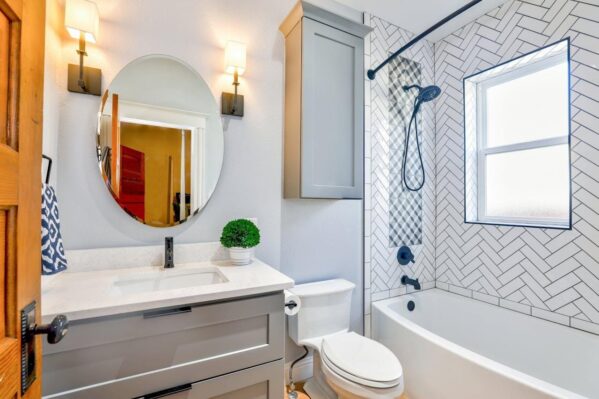
An interior of a modern bathroom
Boost your home’s market value by upgrading your bathroom.

Boost Your Home’s Market Value With Smart Home Technology Integration

Technology-driven homes are in high demand. Installing smart thermostats, security cameras, and automated lighting systems can increase your home’s desirability. Buyers appreciate the convenience and energy efficiency that these features provide. Smart locks and video doorbells also add an extra layer of security, making potential buyers feel more confident in their investment. Another emerging trend is the integration of whole-home automation systems that allow residents to control everything from temperature to lighting with a single app.

Energy-Efficient Windows and Insulation

Upgrading windows and insulation is a cost-effective way to enhance your home’s energy efficiency. Double or triple-pane windows with low-emissivity coatings help regulate indoor temperatures and reduce heating and cooling costs. Proper insulation in the attic and walls can further improve energy efficiency, making your home more attractive to eco-conscious buyers. Solar panels are another high-impact upgrade that can dramatically reduce energy bills while increasing your property’s value.

Revamped Outdoor Spaces

Outdoor living areas have become an extension of the home, offering additional space for relaxation and entertainment. Adding a deck, patio, or outdoor kitchen can significantly increase your property’s value. Fire pits, pergolas, and comfortable seating areas create an inviting atmosphere. Low-maintenance landscaping, such as drought-resistant plants and synthetic turf, enhances curb appeal while minimizing upkeep and reducing water usage. These features make your outdoor spaces appealing yet functional, catering to the growing trend towards sustainability.

Basement and Attic Conversions

Transforming underutilized spaces like basements and attics into functional areas can yield a high return on investment. A finished basement can serve as a home theater, guest suite, or gym, while an attic conversion can become a home office or extra bedroom. These renovations provide additional square footage without the need for major structural changes, making them cost-effective upgrades. Many homeowners are also incorporating wet bars or mini-kitchens in basement remodels to maximize functionality and entertainment options.

Portable Storage for Stress-Free Renovations

Renovations can be disruptive, but using portable storage can help keep your belongings safe and organized. For instance, PortaBox Storage is a company that provides a convenient solution for temporarily storing furniture and valuables while work is being done. Hiring such services can keep the clutter at bay and protects your items from dust and potential damage, allowing renovations to proceed smoothly. Having a designated storage space also makes it easier for contractors to move around and complete work efficiently.

Fresh Paint and Modern Flooring

A fresh coat of paint in neutral tones can instantly update the look of a home. Light shades create a sense of spaciousness, while modern flooring options such as hardwood, luxury vinyl planks, and eco-friendly bamboo enhance the overall appeal. Removing outdated carpets and replacing them with durable, stylish flooring can make a strong impression on buyers. High-contrast color schemes and accent walls are also gaining popularity, adding a contemporary touch to home interiors.


Budget Planning for Home Renovations

When planning home renovations, it’s crucial to align your budget with your goals and the expected return on investment. Setting a clear budget and sticking to it helps ensure that your home improvements boost your property’s value without overspending. Here’s how you can manage renovations across different budgets:

Budget: Under $10K (Affordable Cosmetic & Functional Upgrades)

With a budget under $10K, focus on cosmetic and functional upgrades that enhance the home’s appeal.

  • A fresh coat of exterior paint and a modern front door can dramatically improve curb appeal for $2K–$5K and $1K–$3K, respectively.
  • Smart landscaping using drought-resistant plants offers sustainability and attractiveness within a $1K–$5K range.
  • Inside, refreshing the kitchen and bathroom with new cabinet hardware, upgraded light fixtures, and smart faucets can revitalize these spaces without major expenditures, each costing between $300 and $2K.

Budget: $10K–$50K (Moderate Remodels for High ROI)

For those with a moderate budget of $10K to $50K, investing in key areas can yield high returns.

  • Upgrading the kitchen with quartz countertops and new appliances can range from $3K to $15K, while custom cabinetry refinishing adds freshness for $5K–$10K.
  • Bathroom renovations can include a new walk-in shower with frameless glass for $5K–$12K, complemented by heated floors and modern vanities for $3K–$8K.
  • Enhancing the outdoor living space with a new deck, patio, or pergola can make a significant impact, costing anywhere from $5K to $25K.

Budget: $50K+ (Major Renovations & Transformations)

A budget exceeding $50K opens the door for major renovations that can completely transform your home.

  • A full kitchen redesign with high-end appliances and premium countertops can cost between $50K and $100K.
  • Converting your layout to a semi-open design could also run from $50K to $80K.
  • For the bathroom, consider a luxurious overhaul with a soaking tub and rain shower for $30K–$60K.
  • Major structural improvements like adding an accessory dwelling unit or upgrading to energy-efficient windows and solar panels typically range from $25K to $150K, drastically increasing the home’s functionality and market value.

Conclusion

Staying on top of renovation trends is essential if you want to boost your home’s market value. By focusing on modern upgrades such as open-concept living, energy-efficient features, and smart technology, you can make your home more desirable to potential buyers. Thoughtful improvements, including revamped outdoor spaces and well-utilized storage solutions, can further enhance functionality and aesthetics. Investing in timeless renovations that blend style with practicality ensures that your home remains attractive to buyers for years to come. Whether you’re planning to sell or simply want to enjoy a more comfortable living environment, these renovations offer both immediate and long-term benefits.

What Happens When You Sell Your Home Before Buying Another

couple in front of the gate and a man opening the gate

Selling a home before purchasing a new one is a decision that comes with advantages and challenges. Homeowners who take this approach often do so to avoid carrying two mortgages or to secure the best possible price before committing to another property. Understanding the process, financial implications, and potential risks can help make the transition smoother. Those who sell your home before buying must plan carefully to avoid unnecessary stress and unexpected costs.

Weighing Market Conditions

The state of the housing market influences whether selling before buying is a wise choice. In a seller’s market, properties move quickly, and buyers may struggle to find a new home quickly. Conversely, a buyer’s market allows more flexibility, as more options are available. Understanding current trends helps make informed decisions to prevent being left without a place to live or facing excessive competition when buying.

Timing the market correctly can make a significant difference. Those who sell first may benefit from high selling prices, but if the market shifts, they might struggle to afford a new home. Working with an experienced real estate agent helps homeowners decide the best time to sell and buy.

Understanding the Financial Implications

Selling first provides immediate access to funds, making determining a realistic budget for the next home easier. Buyers often appear more attractive to sellers without an existing mortgage, strengthening their negotiating position. However, this approach requires careful planning to avoid temporary housing costs, storage fees, and multiple moves. Assessing savings, credit scores, and loan options ensures financial stability throughout the transition.

Many homeowners who sell first must consider additional expenses such as real estate commissions, closing costs, and moving fees. If the housing market experiences unexpected shifts, they may have to adjust their purchasing strategy accordingly. Financial advisors recommend setting aside emergency funds to cover unexpected expenses during this period.

Managing Temporary Housing

Selling first often means securing temporary accommodations. This can include short-term rentals, extended-stay hotels, or staying with family or friends. Those with pets, large families, or specific needs may find it difficult to locate suitable options. Planning by researching local rental options or negotiating lease terms with landlords helps minimize disruptions during the transition.

Short-term rental agreements should be reviewed carefully to avoid unexpected fees or rigid lease terms. Some homeowners opt for month-to-month leases, allowing them to move as soon as they find a suitable property. Others explore options like furnished rentals to avoid the hassle of moving furniture twice.

Handling Moving Logistics

Relocating twice can be exhausting, especially when dealing with storage and transportation. Partnering with MoveSafe Relocation ensures a smooth transition by providing professional moving services that minimize stress and keep belongings safe. Choosing a reliable company helps streamline the process and reduces the burden of moving multiple times.

A major concern when moving twice is the condition of stored items. Climate-controlled storage can help protect furniture, electronics, and sensitive belongings from damage. Keeping essential items in an easily accessible storage unit simplifies the temporary living situation.

Securing a Mortgage After Selling

Once a home is sold, buyers can approach lenders with a clear financial profile, often securing better mortgage terms. When approving a loan, lenders consider credit history, outstanding debts, and savings. Those who sell first eliminate an existing mortgage from their financial obligations, potentially improving their debt-to-income ratio and increasing purchasing power.

Mortgage pre-approval is an essential step when purchasing a new home after selling. Buyers with strong financial standing may qualify for better interest rates and loan terms, allowing them to purchase a more desirable property within their budget.

The Importance of Having a Labeling System

Packing efficiently is crucial when moving between homes, especially if storage is involved. It is essential to have a labeling system to avoid confusion and make unpacking easier. Marking boxes with contents and designated rooms prevents frustration when settling into a new place. Color-coded labels, detailed lists, and strategic packing orders all contribute to a smoother transition.

A well-organized labeling system reduces the risk of lost or misplaced items. Fragile items should be marked with visible labels to prevent breakage. Keeping a separate box of essentials for immediate use can make the first few days in a new home more comfortable.

Negotiating a Leaseback Agreement

Some sellers negotiate leaseback agreements with buyers, allowing them to remain in their homes for a set period after closing. This provides time to search for a new home while avoiding temporary housing. Leasebacks require clear terms regarding duration, rental rates, and maintenance responsibilities to prevent disputes. Consulting a real estate attorney ensures that agreements protect both parties.

Leaseback agreements are particularly useful for homeowners who need extra time to finalize their next home purchase. Setting clear conditions, such as defining who covers utilities and property maintenance during the leaseback period, ensures a smooth arrangement.

Preparing for Market Fluctuations

Real estate prices fluctuate based on demand, interest rates, and economic conditions. Selling before buying means homeowners risk purchasing at a higher price later if market values rise. To counteract this, some lock in purchase prices through contingency clauses or work with financial advisors to secure stable investments while awaiting the right home.

A home sale contingency clause in a purchase contract allows buyers to secure a home while waiting for their previous property to sell. This can provide peace of mind, especially in volatile markets. However, sellers may be less willing to accept offers with contingencies in competitive housing markets.

Avoiding Emotional Stress

Transitioning between homes can be emotionally taxing, particularly for families. Uncertainty about finding a new home, adjusting to temporary housing, and handling unexpected delays can add pressure. Keeping communication open with real estate agents, staying flexible with expectations, and having contingency plans help maintain peace of mind.

Parents with children should prepare them for the transition by maintaining routines and involving them in the moving process. Staying connected with familiar social circles and keeping sentimental items accessible can help ease emotional stress during the move.

Finalizing the Move Efficiently

Once a new home is secured, ensuring a seamless move is the final step. Coordinating logistics, managing utilities, and updating addresses should be done promptly. Hiring professional movers, scheduling essential services ahead of time, and keeping important documents accessible help ease the transition. Sell your home before buying and enjoy financial benefits and a smoother overall experience.

Setting up utilities before moving in prevents unnecessary delays. Internet, water, gas, and electricity should be activated in advance to ensure a smooth move-in day. Notifying service providers and updating billing addresses helps avoid missing important correspondence.

Why You Should Sell Your Home Before Buying

Choosing to sell your home before buying offers financial security and better negotiating power but comes with challenges such as temporary housing and market risks. Careful planning, strategic decision-making, and professional assistance make the process manageable. Those who take the necessary steps to prepare, stay flexible, and seek expert guidance can transition successfully without unnecessary stress.

Understanding Home Insurance and Its Importance

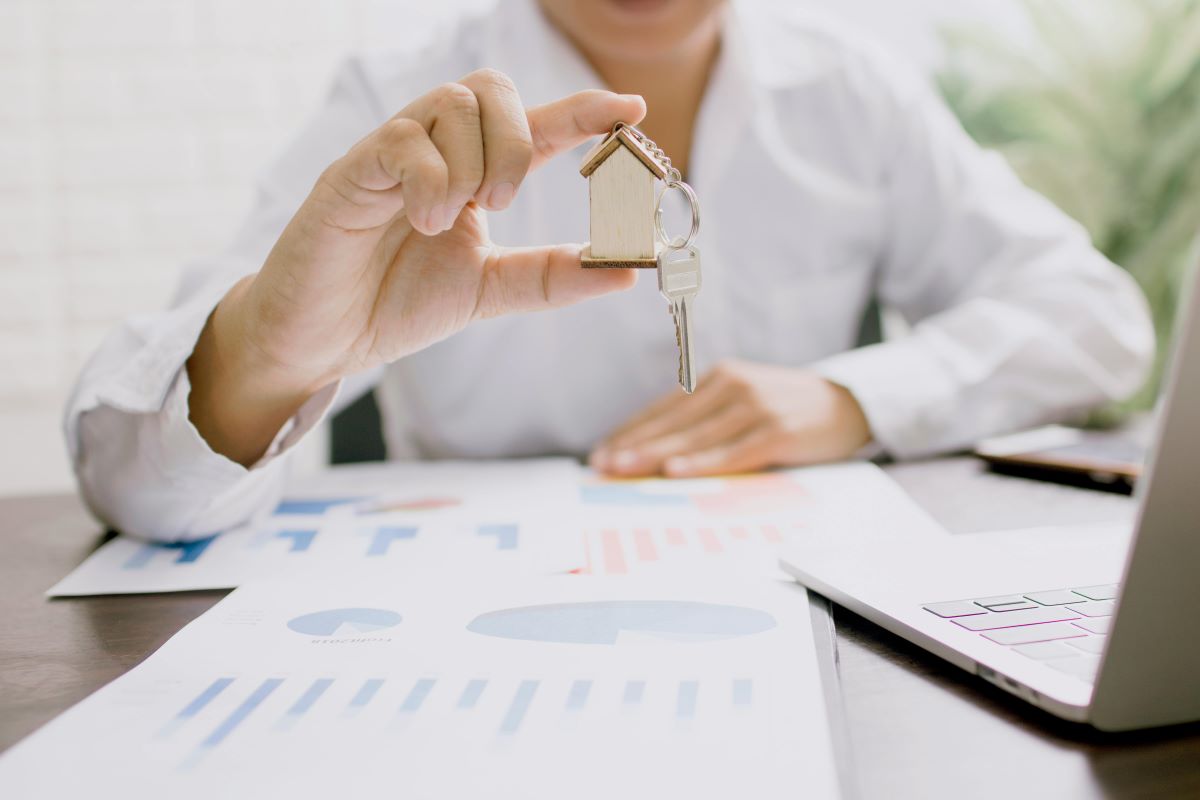
A person in a white shirt holds a small wooden house keychain with keys over financial documents, symbolizing home insurance and its importance

Home insurance protects homeowners from unexpected financial burdens. Fires, storms, thefts, and accidents can cause significant damage, leaving families struggling to recover. Without the right coverage, repairs and replacements can drain savings quickly. Home insurance and its importance cannot be overstated—it provides a safety net that keeps homeowners secure. Many policies also cover liability, helping in cases where someone gets injured on the property. Understanding the different types of coverage and knowing what policies include can prevent future headaches. Choosing the right plan ensures that homes and belongings remain protected no matter what happens.

Understanding Home Insurance

Owning a home comes with responsibilities and risks. Accidents, natural disasters, and theft can happen unexpectedly, causing financial strain. However, home insurance provides a layer of protection, helping homeowners recover without massive out-of-pocket expenses. Policies typically cover repairs, replacements, and liability costs. Factoring in premiums, deductibles, and coverage limits is essential when managing the overall costs of homeownership. Without the right policy, unexpected damages could leave homeowners struggling to pay for repairs. Choosing a plan with proper coverage ensures financial security. Reading the terms carefully prevents surprises during claims. So, a well-structured policy protects not just the house but also personal belongings and liability concerns, keeping homeowners prepared for the unexpected.

A person reviewing a home insurance application form on a clipboard
Reviewing a home insurance application is a crucial step in protecting property and finances from unexpected risks.

Why Every Home Needs Insurance

A home faces many risks every day. A solid insurance policy helps avoid major financial setbacks. Having the right policy prevents major financial losses and keeps homeowners prepared. Without it, unexpected damages could lead to serious debt. Here’s why coverage is essential:

  • Protection Against Natural Disasters – Fires, storms, and floods can destroy property. Insurance helps cover repair or rebuilding costs.
  • Theft and Vandalism Coverage – Stolen or damaged belongings can be replaced, reducing financial stress.
  • Liability Protection – If someone gets injured on the property, insurance helps cover medical and legal expenses.
  • Additional Living Expenses – If damage forces a move, some policies cover temporary housing costs.

In case you need to live in a temporary housing it is important to talk about mobile storage solutions. Namely, storage plays a key role in protecting belongings. Homeowners often use mobile storage to secure valuables during renovations or disasters. COWS Mobile Storage provides a reliable way to keep items safe when unexpected events occur. Storing furniture and essentials in a secure unit prevents further damage while repairs take place.

Types of Home Insurance and What They Cover

Not all insurance policies offer the same protection. Some plans cover basic risks, while others provide broader coverage. Therefore, the most common options include:

  • Basic Coverage – Protects against common risks like fire, theft, and vandalism.
  • Comprehensive Plans – Include coverage for natural disasters, personal belongings, and liability claims.
  • Condo Insurance – Designed for condo owners, covering interior structures and personal items.

Understanding coverage details is essential. Policies often include dwelling protection, personal property coverage, and additional living expenses. Choosing the right plan ensures financial stability during difficult times.

What Home Insurance Doesn’t Cover

Insurance policies do not cover every type of damage. Many plans exclude specific risks, leaving homeowners responsible for certain expenses. Common exclusions include flood damage, earthquakes, and regular wear and tear. Without separate coverage, repairs for these issues can be costly. Understanding home insurance and its importance helps homeowners avoid financial surprises. Some policies also exclude mold, pest infestations, and intentional damage. Reading the fine print prevents misunderstandings during a claim. Adding extra coverage when necessary ensures better protection against unexpected events, keeping both the home and finances secure.

A smiling couple discusses home insurance with a professional agent holding a clipboard in a modern kitchen setting.
Take your time to choose the best coverage for your property and needs.

Factors That Impact Insurance Costs

Many factors influence the price of a home insurance policy. Location plays a big role, as high-risk areas often have higher premiums. The home’s age, size, and construction materials also affect pricing. Credit scores and past claims history can lead to higher rates. Understanding these factors helps homeowners find affordable coverage. Knowing about costly pitfalls to avoid in real estate investment ventures is just as important when choosing insurance. Security features like alarms and fire-resistant materials may lower costs. Comparing different policies ensures the best coverage at a reasonable price.

Learn how to Choose the Right Policy and Understand Limits when Learning about Home Insurance and Its Importance

Finding the right insurance policy requires careful research. Coverage needs vary based on location, home value, and personal belongings. Comparing quotes from different providers helps secure the best deal. So, checking policy limits is just as important. On the other hand, if coverage falls short, homeowners may pay large out-of-pocket expenses after a disaster. Deductibles also affect costs. A higher deductible lowers monthly premiums but increases expenses during a claim. Reading terms carefully prevents surprises. Some policies offer add-ons for extra protection. Choosing the right balance between coverage and affordability ensures financial security in any situation.

Filing Claims and Debunking Common Myths

Filing an insurance claim requires quick action. Homeowners should document damage immediately with photos and detailed notes. Contacting the insurer as soon as possible speeds up the process. Gathering necessary paperwork, like receipts and repair estimates, helps avoid delays. Many believe all damages get covered, but policies have limits. Some assume home insurance includes flood protection, which often requires separate coverage. Understanding the benefits of using a real estate agent when buying a home can also help in securing the right insurance. Agents provide insights on local risks and policy options. Knowing the truth about coverage prevents costly mistakes. Reviewing policies regularly ensures the right protection as needs change.

Hands protecting a home with a family inside, alongside a shield labeled "Insurance.
Home insurance provides financial security, protecting families and properties from unexpected risks with reliable coverage and peace of mind.

Secure Your Home, Secure Your Future

A home is one of the most valuable assets a person can own. Protecting it with insurance ensures financial stability during difficult times. Home insurance and its importance go beyond just repairing damages—it brings peace of mind. Knowing that coverage exists for disasters, theft, and liability makes a difference. Without it, recovering from an unexpected event can become overwhelming. Comparing policies, understanding exclusions, and making informed choices help homeowners stay prepared. The right coverage ensures that no matter what life brings, there is a reliable plan in place to handle the unexpected.

Understanding the Costs of Homeownership

A couple holding and showing a house key

Homeownership is a significant milestone in many people’s lives. It represents stability, independence, and an investment in your future. However, along with the excitement of owning a home comes the responsibility of managing the costs of homeownership. Understanding these costs is essential to ensure your dream of homeownership doesn’t become a financial burden. This guide breaks down the key expenses you should be prepared for and offers insights into managing them effectively.

The Purchase Price Is Just the Beginning
When you think about buying a home, the purchase price is likely the first figure that comes to mind. However, this amount is only a fraction of the total cost of homeownership. Additional costs such as closing fees, home inspections, and real estate agent commissions can quickly add up. These upfront expenses are critical to consider when budgeting for your home purchase. By choosing Flat Fee Service, buyers pay zero commission. This helps reduce upfront costs and makes homeownership more attainable.

Mortgage Payments and Interest Rates
For most homeowners, mortgage payments are the most significant recurring expense. These payments include the loan’s principal and interest, and their size depends on factors like the loan amount, interest rate, and term. Interest rates can significantly impact your monthly budget, making it vital to shop around for competitive rates. Understanding how even slight changes in interest rates can affect long-term costs is crucial to making informed decisions.

Property Taxes: What You Need to Know
Property taxes are another expense that many new homeowners underestimate. Local governments typically assess property values annually or biannually to calculate taxes. In California, property tax is calculated at a standard rate of 1% of the assessed property value (not the market value), plus additional charges for voter-approved bonds, fees, and special charges. Similar properties can have substantially different assessed values based solely on the dates the properties were purchased. Longtime property owners, whose assessed values generally may not be increased more than 2 percent per year, tend to have markedly lower tax liability than recent purchasers. Understanding these nuances is vital to budgeting accurately.

A photo of two documents.
Property taxes are included in the costs of homeownership.

Home Insurance and Its Importance
Protecting your investment with home insurance is not only wise but often required by lenders. Home insurance costs can vary based on factors like the home’s location, age, and construction type. In California, residents who cannot obtain insurance through regular companies can explore the California FAIR Plan, which provides coverage for urban and rural properties. Additionally, Flat Fee Real Estate can help you find an insurance provider that meets your specific needs, ensuring you’re adequately protected without overpaying.

Moving Costs: A Key Consideration When Changing Homes
If your journey to homeownership involves moving long distances, the expenses don’t end with packing and loading. Hiring professionals to assist with moving can be a worthwhile investment, especially when moving to or within California. So, to ease the process and ensure your belongings are safely transported, it’s wise to enlist the help of experts. These services can save time, reduce stress, and provide a seamless transition to a new home.

Maintenance and Repairs: An Ongoing Responsibility
Owning a home means taking on the responsibility for all maintenance and repairs. Routine upkeep, such as landscaping, cleaning gutters, or servicing HVAC systems, can add up over time. Unexpected maintenance, such as fixing a leaky roof or replacing a water heater, can strain your budget. Building an emergency fund dedicated to home maintenance can help you manage these unplanned expenses.

Utilities and Monthly Living Expenses
The cost of utilities—electricity, water, gas, and internet—is an essential part of homeownership. These expenses vary by location, home size, and personal usage habits. Energy-efficient upgrades, such as insulation or solar panels, can help reduce utility bills and contribute to long-term savings.

The Hidden Costs of Homeownership
Beyond the obvious expenses, owning a home comes with hidden costs as well. Some examples are homeowner association (HOA) fees, pest control, and periodic assessments for neighborhood improvements. These costs may seem minor individually but can add up over time. Carefully reviewing the financial obligations tied to your property is essential before purchasing.

Stacked coins next to a wooden clock
Beyond the obvious expenses, owning a home often has hidden costs.

The Role of Storage Solutions in Managing Costs
Sometimes, homeowners find themselves in situations where they need temporary or long-term storage solutions. Whether it’s during a renovation, downsizing, or decluttering, storage can be a practical choice. Valley Relocation and Storage CA can provide flexible options, allowing you to safely store your belongings while making the most of your living space. Factoring in storage costs when budgeting for homeownership ensures there are no surprises.

The Impact of Market Conditions on Homeownership Costs
Economic factors such as inflation, interest rates, and housing market trends can influence the cost of owning a home. Rising property values may increase your home’s equity but can also lead to higher property taxes. Similarly, fluctuating mortgage rates can affect your ability to refinance or purchase a new home. Staying informed about market conditions will help you make sound financial decisions.

Saving for the Future: Building Equity and Planning Ahead
One of the greatest advantages of homeownership is building equity over time. As you pay down your mortgage and property values appreciate, your home becomes a valuable asset. This equity can be leveraged for future investments, such as upgrading your property, funding education, or even purchasing another home. Planning for the long term ensures that your home remains a cornerstone of your financial stability.

Owning a Home Is an Ongoing Investment
Homeownership is an incredible journey, offering a sense of pride and a place to call your own. However, it’s also a financial commitment that requires careful planning and management. From mortgage payments and property taxes to unexpected repairs and moving costs, understanding the full spectrum of homeownership costs will help you immensely. By preparing for these costs, you can enjoy the many rewards of homeownership while maintaining financial peace of mind.

How to Handle Multiple Offers When Selling Before a Big Move

Woman using a gray laptop

Selling your home before a big move can be stressful. However, the whole process can seem even more overwhelming when you receive multiple offers (even though it’s considered a good thing). So, let us at Flat Fee Service help you understand how to handle multiple offers when selling before a big move, making the transition smoother and more manageable.

Understand Your Priorities and Timeline

Before making any decisions about the offers, take time to assess your needs. What is most important to you right now? Is it getting the highest price, a quick sale, or finding a buyer to accommodate your moving timeline? Your priorities will guide your choice in handling multiple offers when selling before a big move.

For example, if time is tight, you may prioritize an offer with a quick closing date. On the other hand, if you’re looking for a higher sale price, consider offers with a higher dollar value.

Timing is crucial for the relocation as well. That’s why working with local movers in Los Angeles can make the process much easier. These professionals are familiar with the area, know the best routes, and can offer quick and efficient services.

By choosing local movers, you can also ensure that you have reliable assistance during a stressful time. This way, you can focus on managing your home sale and other moving details, leaving the heavy lifting to experts who know the area well.

Review All Offers Carefully

Once you’ve received multiple offers, don’t rush to choose. Go over each one carefully. Look at the price offered, contingencies, closing timeline, and the buyer’s ability to follow through. Understanding these factors will help you compare offers in more detail. Pay special attention to how serious the buyer seems about the sale. Offers with fewer contingencies or pre-approved financing are often stronger.

People reviewing multiple real estate offers
Carefully evaluate each offer to ensure it aligns with your timeline and priorities when selling your home.

It’s also important to note that some buyers may ask for specific terms, such as repairs or appliances. If you’re already under time pressure, such terms might not be ideal.

Before diving into offers, however, be sure you’re confident in how you’re pricing your home. Pricing your home correctly ensures you don’t undercut yourself or overprice and scare away potential buyers.

Work With Your Real Estate Agent

It’s also important to know what to look for in a real estate agent. Your agent will play an important role in helping you handle multiple offers when selling before a big move. They can guide you through the process of evaluating each offer. A skilled agent will also help you understand the implications of each offer. They’ll communicate with the buyers’ agents to gather more details, which can assist you in making an informed decision. If you’re unsure about a specific term in an offer, your agent can explain it in simple terms. Remember, your real estate agent has experience negotiating, so trust their expertise in negotiating with potential buyers.

The Importance of Staging Your Home

One key factor in receiving multiple offers when selling before a big move is how your home looks to potential buyers. Properly staging your home can significantly affect how quickly your property sells and the types of offers you receive. Staging allows you to highlight your home’s best features, making it more appealing to buyers.

Professionally staged living room with modern furniture and people in it
Staging your home can help attract serious buyers and increase its appeal in a competitive market

Consider the Buyer’s Financing

One of the most important factors when reviewing offers is the buyer’s financing. A buyer with a pre-approved mortgage is generally more reliable than one who needs to secure financing. If a buyer needs time to get approval, this could delay the sale, which may be a concern if you are on a tight moving schedule.
If one of the offers is a cash offer, this can be especially attractive. Cash offers typically close faster and have fewer contingencies.

Counteroffer to Improve the Terms

In some cases, you may want to negotiate. If you have multiple offers, you might be able to make a counteroffer to improve the terms. For example, you could ask for a higher price or shorten the closing date. A counteroffer can help you get the best possible deal while still keeping buyers interested.
It’s important to be clear about your expectations. If you’re unsure whether to negotiate, consult your real estate agent, who can help you craft a counteroffer that aligns with your goals.

Don’t Let Emotions Drive Your Decision

Selling your home can be an emotional experience. However, it’s important to stay objective when handling multiple offers when selling before a big move. Make decisions based on logic, not emotions. Your goal is to choose an offer that meets your needs and helps you move forward.
It’s easy to get attached to one particular offer, but avoid making a decision based purely on personal attachment. Focus on what will allow you to transition smoothly to your new home.

Evaluate the Buyer’s Flexibility

Some buyers may be more flexible than others. For example, if you need extra time to move out, one buyer may be more willing to accommodate your schedule than others. If your moving date is uncertain, a flexible buyer may help reduce stress during this time.
When handling multiple offers when selling before a big move, think about your specific needs. A buyer who is flexible could help make your move easier. If you need more time to transition, ensure the buyer is willing to work with your timeline.

Understand Your Options for Selling

If your home is facing financial difficulties or you owe more than it’s worth, you may be considering a short sale. With the lender’s approval, you can organize a short sale. It allows you to sell the property for less than what you owe on the mortgage. This can be a good option if you’re in financial distress, but it requires careful negotiation.
Before making any decisions, it’s helpful to understand how short sales work. You’ll want to discuss the process with a real estate professional with experience handling these sales types.

Make a Decision Based on Your Needs

Once you’ve reviewed all the offers and discussed the terms with your agent, it’s time to make a decision. Take your time to ensure that the offer you choose aligns with your timeline and goals. Sometimes, a higher price may seem tempting, but it could come with terms that delay the sale. A lower offer may be better if it means a quicker closing process and less hassle.

Close the Deal

Once you’ve accepted an offer, your real estate agent will help you prepare for closing. This includes finalizing paperwork, completing inspections, and scheduling the actual closing. After closing, you can finally focus on your big move with the peace of mind that your house sale is behind you.

People shaking hands over a desk.
Finalizing the sale with your buyer ensures a smooth transition as you prepare for your big move.

Throughout this process, communication is key. Your agent will keep you updated, but it’s also important that you stay on top of deadlines and paperwork to ensure a smooth closing.

Making the Right Choice for a Smooth Home Sale and Move

Handling multiple offers when selling before a big move can be challenging, but it doesn’t have to be overwhelming. By reviewing all offers carefully, working with your agent, and keeping your priorities clear, you’ll be able to make a decision that suits your needs. Whether you’re looking for a quick sale or the highest price, understanding your goals and evaluating each offer will make your decision easier.

Remember, selling a home during a big move is a significant step. Take the time to handle multiple offers when selling before a big move with care. By making informed decisions, you’ll be able to transition smoothly to your next chapter.

Selling a Historical Home When Relocating to a Modern City

A beautifully preserved two-story historical home with intricate woodwork and vintage architectural details, ideal for selling a historical home to buyers seeking charm.

Relocating from a historic home to a modern city can be both exciting and overwhelming. Selling a historical home requires a unique approach to appeal to the right buyers while navigating the emotional aspects of leaving behind a piece of history. One of the most important steps is to properly stage your home to showcase its unique charm. If you’re moving for a career opportunity or personal reasons, there are several essential steps to consider when listing a historical property for sale.

Selling a Historical Home: Key Considerations for a Successful Sale

Selling a historical home involves more than just putting it on the market. Buyers interested in historical properties often seek homes with unique architectural details, rich histories, and a connection to the past. Here are some key factors to keep in mind as you prepare to sell:

Understand the Historical Value of Your Home
One of the first steps in selling a historical home is understanding its true historical value. Many homes have unique characteristics, whether they are Victorian-era details, original woodwork, or antique features. Highlighting these elements in your listing is vital. Potential buyers will want to know the history and the significance of the property. Consider obtaining a professional appraisal from an expert in historical homes to understand better how to price your home competitively.

Prepare the Home for Modern Buyers
While historical homes are appealing for their vintage charm, modern buyers also look for practicality. This means making sure your home has functional heating, plumbing, and electrical systems. If updates are needed, it’s important to balance modern improvements while preserving the historical integrity of the property. Before listing, it’s essential to prepare your home for showing by ensuring that all necessary upgrades are completed. Many buyers want the best of both worlds: a home steeped in history with modern conveniences.

Pricing Your Historical Home for the Modern Market
When selling a historical home, pricing can be tricky. You’ll want to attract buyers who value the historical aspects of the property, but you also need to ensure the price reflects the current market conditions. Work with a real estate agent specializing in historical properties to develop a pricing strategy. They can help position your home as a valuable piece of history while remaining competitive in a modern market.

How to Stage a Historical Home for Today’s Buyers

Staging plays a big role when selling a historical home. It helps potential buyers envision themselves living in the space. For historical homes, staging involves showcasing the property’s unique elements while appealing to the preferences of today’s buyers. Here’s how to do it:

Highlight Key Historical Features
Buyers looking for historical homes are usually drawn to specific features like exposed brick, original hardwood floors, or decorative moldings. When staging, make sure to highlight these elements. However, it’s essential to strike a balance between showcasing the home’s character and making it feel livable for modern buyers. For example, pairing vintage features with minimalist, contemporary furniture can create a harmonious look that appeals to a broader audience.

Declutter and Depersonalize
One of the best ways to stage a historical home is to declutter and depersonalize the space. This allows potential buyers to imagine themselves living in the home. While you may love antique furniture and family heirlooms, it’s best to store away items that may be too specific to your personal taste. This is a good time to decide on things you should leave behind, especially if they’re too bulky for your next modern city home.

Marketing Strategies to Sell a Historical Home in a Modern City

When selling a historical home, traditional marketing strategies may not be enough. You’ll need to appeal to buyers who appreciate history and heritage. Here’s how to make your home stand out:

Professional Photography and Videography
Quality visuals are key to attracting buyers. Make sure to invest in professional photography that highlights your home’s unique features. Drone footage and virtual tours can also help buyers relocating from out of town get a feel for the property before visiting. If your home has unique architectural elements, make sure these are prominently featured in the marketing materials.

Create an Engaging Listing Description
The listing description is your chance to tell the story of your home. Avoid overused phrases and instead focus on what makes your historical home special. Highlight the architectural details, historical significance, and modern upgrades that make the home practical for today’s buyers. Don’t forget to use keywords such as “unique historical property,” “original features,” and “charm of the past” to appeal to search engines and potential buyers alike.

Use Targeted Digital Advertising
Digital advertising, particularly through social media platforms and real estate websites, is essential for reaching potential buyers. When targeting audiences specifically interested in historical homes or relocating to a modern city, you can increase the visibility of your property. Geo-targeted ads can also help attract buyers who may be relocating from other areas and looking for something different from the usual modern homes.

Balancing Emotional and Practical Decisions

Selling a historical home is not just a financial transaction; it’s an emotional one. Many homeowners feel a deep connection to the home they’ve lived in for years, and deciding to sell is even more difficult. It’s important to acknowledge the emotional aspect of selling while also focusing on the practical steps needed to move forward.

Letting Go of Sentimental Attachments
Letting go of a home filled with memories is never easy, especially when it’s a historical property. However, relocating to a modern city often means moving into a different lifestyle. It’s helpful to focus on the new opportunities that await in your next home while honoring the memories made in your old one. As difficult as it may be, selling a historical home allows someone else to create new memories in a space you’ve cherished.

Transitioning to a Modern City Lifestyle
Moving from a historical home to a modern city offers a different pace of life. Simply put, cities are more convenient and accessible and have many more job opportunities, but they may lack the charm and spaciousness of older homes. Before you transition into this new chapter, explore a neighborhood before moving to ensure it fits your lifestyle. Take the time to find a new home that meets your needs while still maintaining a connection to the history and character you value.

Successfully Selling a Historical Home

Selling a historical home when relocating to a modern city requires a thoughtful approach. You’ll need to highlight the unique aspects of the house, find buyers who appreciate its history, and navigate the emotional complexities of leaving behind a cherished property. When focusing on strategic marketing, proper staging, and emotional preparation, you can find the right buyer for your historical home.

The Rise of Smart Homes: What You Need to Know Before Buying

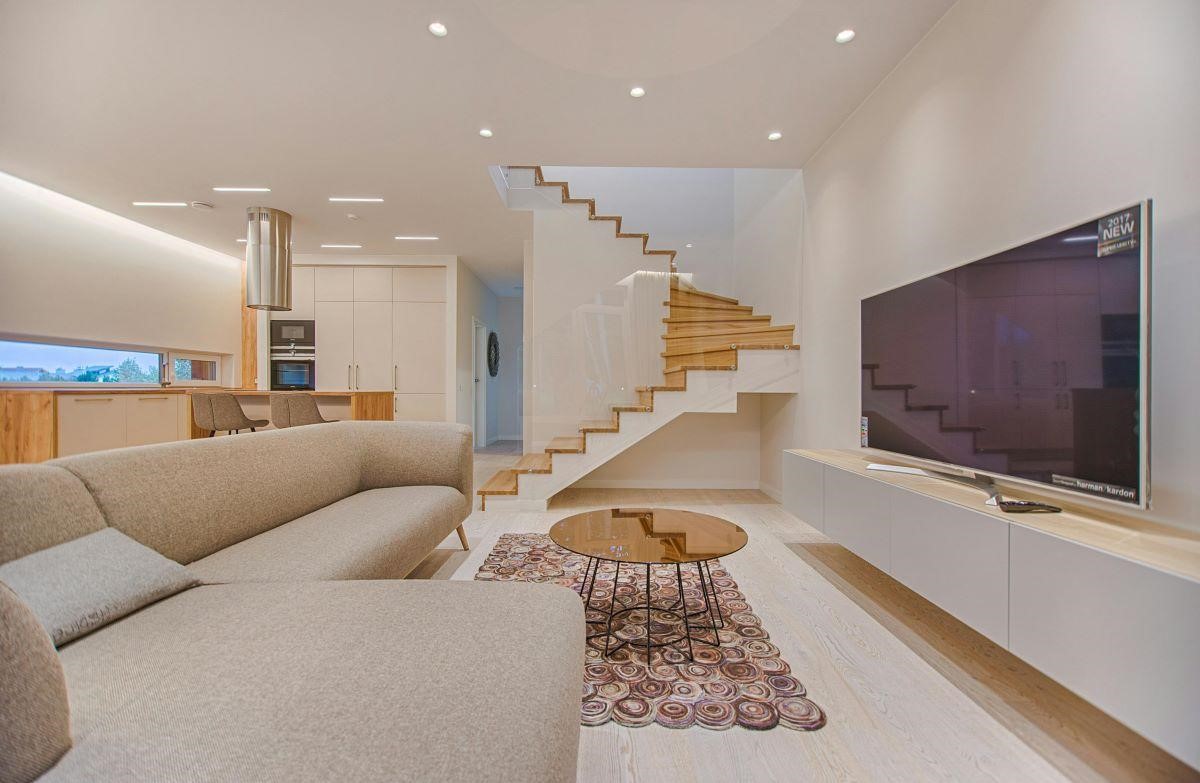
A beautiful living room with a grey smart TV and white walls

The rise of smart homes represents a significant transformation in modern living, revolutionizing how we interact with our homes. These technologically advanced homes use smart devices to enhance convenience, security, and energy efficiency. As an illustration, smart homes integrate systems like thermostats, lighting, and security cameras that can be controlled remotely or automated according to your preferences. In this article, we will explore key features, the impact on energy efficiency, and essential considerations to keep in mind before investing in a smart home.

Key Features of The Rise of Smart Homes
Understanding the key features of the rise of smart homes is essential for making an informed decision. At the heart of smart homes are home automation systems, which allow you to control various devices from a central interface. Common smart devices include thermostats that adjust temperatures based on your daily routines, security cameras that offer real-time monitoring, and smart lights that can be programmed or controlled remotely. Another key point is ensuring integration and compatibility among devices. For example, a smart thermostat should work seamlessly with your smart lights and security system. In short, a user-friendly interface is vital to maximizing the benefits of these technologies and making daily management easier.

A modern black and white house
Smart homes use automated systems to control integrated devices through a user-friendly interface, enhancing convenience and security

Cost and Budgeting for a Smart Home
Investing in a smart home requires careful consideration of costs. Another key point is balancing the initial expenses with the long-term benefits of energy savings and convenience. Hence, it’s important to establish a clear budget and explore financing options or potential incentives for smart home technology. The cost of smart home systems can vary widely based on the complexity and number of devices you choose. With this in mind, evaluating the return on investment is important. In short, while the upfront costs might be significant, the potential savings on energy bills and increased convenience can make the investment worthwhile. Also, moving to a new home will require funds as well.

For instance, when transitioning to a new smart home, especially if relocating from one state to another, such as from Florida to California, the relocation can be a major financial and logistical consideration. The distance between these states presents unique challenges, from safely transporting your possessions to managing the intricate details of the move. That is where hiring professional packing services becomes essential, even if it means adding to your budget. In truth, rather than stressing how to pack delicate smart home devices or larger items, it’s far more efficient to let experts handle this task, making it worth the cost in the long run. Their specialized services ensure everything from your valuable electronics to everyday essentials arrives safely from Florida to California and is in working order.

A man counting dollar bills in his hands
Investing in a smart home requires balancing upfront costs with long-term savings, and hiring professional movers can help ensure a smooth transition when relocating

The Impact of Smart Homes on Energy Efficiency
One of the most significant advantages of smart homes is their energy efficiency. Energy-efficient smart devices are designed to reduce power consumption while maintaining comfort and security. In truth, smart thermostats and LED lights can substantially save energy bills. Smart thermostats, for instance, learn your schedule and adjust heating and cooling accordingly, reducing unnecessary energy use. Similarly, smart lighting systems can automatically turn off when a room is unused. Hence, these features lower utility bills and contribute to environmental sustainability by reducing your carbon footprint.

A woman looking at her electricity bills on the table
The rise of smart homes has brought increased energy efficiency through devices like smart thermostats and lighting systems, which help lower utility bills

Solar Panels and Smart Home Integration
Integrating solar panels with smart home technology is a natural and highly beneficial combination. Solar panels provide a renewable energy source that powers your smart devices, improving efficiency and sustainability. By incorporating solar panels into a smart home system, energy management becomes more effective, allowing you to optimize the use of renewable energy. For instance, a smart home system can track solar energy production and consumption in real time, ensuring that energy is used more efficiently, which results in greater savings.

Quality and vendor reputation plays a critical role when selecting solar panels. Companies like SunPower, LG, and Panasonic are well-regarded for their high-quality solar panels, which are known for durability and efficiency. For example, SunPower’s Maxeon panels offer up to 22.8% efficiency, one of the highest on the market. These panels also come with a 25-year warranty, providing long-term peace of mind. Panasonic’s EverVolt series also stands out for reliability, boasting an impressive efficiency rate of 21.7% and similar warranties.

In terms of installation, the number of solar panels you’ll need for your home depends on several factors: the size of your roof, your household’s energy consumption, and the average sunlight hours in your location. As a general estimate, a typical home requires around 20-25 solar panels to meet energy needs fully. A standard 6 kW system would produce around 9,000 kWh of electricity annually, which is suitable for an average household.

The lifetime of solar panels is typically 25-30 years, though advancements in technology mean that modern panels may last even longer. Investing in high-quality panels with strong warranties is essential as they offer better energy output over time and require less maintenance. Regarding integration, brands like Tesla’s Powerwall, Enphase, and SolarEdge offer solutions that sync solar panels with smart home energy systems, allowing homeowners to monitor, store, and manage their energy more effectively.

A smart thermostat like Nest or Ecobee can be paired with your solar system, allowing for even more precise control over energy consumption. For example, during peak sunlight hours, your thermostat can adjust to use solar energy, reducing dependence on the grid. Many smart home platforms offer solar energy monitoring through apps, which can help you make informed decisions about your energy use in real-time.

Security Considerations for Smart Homes
While smart homes offer numerous benefits, they also introduce new security challenges. Common security risks include vulnerabilities in smart devices that cybercriminals could exploit. In contrast, smart technology can enhance home security through remote surveillance and automated alerts. Ensure that all devices are regularly updated, and use secure passwords to protect your smart home. Similarly, consider investing in comprehensive security systems with encryption and multi-factor authentication. It’s essential to stay informed about potential security threats and take proactive measures to safeguard your smart home network.

Choosing the Right Smart Home System
Selecting the right smart home system requires careful consideration of your specific needs and preferences. Another key point is evaluating the compatibility of various devices with your existing home infrastructure. With this in mind, assess whether you prefer a comprehensive system from a single manufacturer or a mix-and-match approach with different brands. Similarly, consider the level of control and customization you want—some systems offer advanced automation and integration options, while others provide more basic functionalities. In contrast, ensure that any smart home system offers strong customer support and a user-friendly setup. In short, taking the time to research and choose the right system can greatly enhance your experience and satisfaction with your smart home investment.

Future Trends in Smart Home Technology
Looking ahead, the future of smart home technology promises exciting developments. Similarly, advancements in energy efficiency and sustainability are likely to continue shaping the industry. Emerging technologies include greater integration of artificial intelligence (AI) and machine learning, enabling even smarter and more intuitive systems. Predictions for the next decade suggest that smart homes will become increasingly interconnected, offering enhanced automation and improved user experiences. Besides, the ongoing evolution of smart home technology will likely introduce new features and capabilities that further enhance everyday living.

Making the Smart Home Decision
The rise of smart homes offers numerous benefits and opportunities to enhance your living environment. Understanding the key features, energy efficiency advantages, and future trends will help you make a well-informed decision. Hence, evaluating your needs, budget, and the potential impact of smart home technology on your lifestyle is essential. Another key point is considering professional assistance when moving to a new smart home. When carefully weighing all factors and seeking expert help, you can enjoy a connected, efficient, and secure living space.

Upgrading Outdoor Spaces to Increase Home Marketability

Real Estate Agent Commission Rebate

When selling a home, upgrading outdoor spaces can make a significant difference in attracting potential buyers. The exterior of your home is the first thing people see, and a well-maintained outdoor area can create a lasting impression. By making a few strategic improvements, you can enhance your property’s appeal, increase its marketability, and ultimately boost its value. Whether it’s a small garden or a spacious backyard, investing in outdoor upgrades is a smart move that pays off.

First Impressions Matter: The Impact of Curb Appeal

First impressions count, especially when it comes to selling your home. The exterior of your house sets the tone for what buyers can expect inside. If your home’s exterior looks neglected, it can turn buyers away before they even step through the door. Simple upgrades, like a fresh coat of paint, clean walkways, and a well-maintained lawn, can instantly elevate your home’s curb appeal. These small changes not only make your property look inviting and cared for but also create a sense of pride and attention to detail. When buyers see a well-kept exterior, they’re more likely to believe that the interior has been equally well-maintained. This can increase your home’s perceived value and help it sell faster.

Create Functional Outdoor Living Spaces

Outdoor living spaces have become a major selling point for homebuyers. People love the idea of extending their living area beyond the walls of their homes, and a well-designed outdoor space offers just that. Adding features like a deck, patio, or outdoor kitchen can transform your backyard into a functional and inviting space. Incorporating stylish outdoor furniture, such as comfortable seating and a dining set, further enhances the area’s appeal.

Let’s take a rainy city like Seattle as an example. Here, the climate is quite wet and damp, so storing outdoor furniture properly is crucial to maintain its appeal. Using covers or storing furniture in a dry, sheltered area in your Seattle home helps protect it from moisture damage, ensuring it remains in great condition for future use.

A cat sleeping on a table in a small front yard filled with greenery
Adding greenery is always a smart choice for upgrading outdoor spaces.

Upgrading Outdoor Spaces with Creative Landscaping

Landscaping plays a crucial role in enhancing the overall appeal of your home. A well-designed landscape not only beautifies the property but also adds a sense of tranquility and order. Professional landscaping can elevate your home’s marketability by creating a cohesive and attractive outdoor environment. Consider incorporating low-maintenance plants that thrive in your region, along with strategic placement of trees and shrubs to frame your home and highlight its best features. A neatly landscaped yard with thoughtful design elements can make your property stand out in the neighborhood, leaving a lasting impression on potential buyers.

Upgrade Lighting for Ambiance and Security

Outdoor lighting serves a dual purpose: enhancing ambiance and increasing security. Well-placed lights can highlight your home’s best features and create a warm, welcoming atmosphere. Pathway lights guide visitors safely to your door, while string lights or lanterns add charm to patios and gardens. Motion-sensor lights can deter unwanted visitors and provide extra safety around your home. On the other hand, bad lighting or poorly lit areas can be a major turn-off for potential buyers, as it can make the space feel uninviting and unsafe. Good lighting not only makes your outdoor spaces more inviting but also ensures they are functional and secure during the evening. By investing in thoughtful lighting, you enhance both the aesthetic appeal and safety of your property, making it more attractive to potential buyers.

Trees near a house, illuminated by a lantern
Even a single light source can greatly enhance appeal and security!

Invest in Quality Fencing and Privacy Screens

Quality fencing and privacy screens can significantly enhance your home’s outdoor appeal. Buyers appreciate having a sense of privacy and security in their outdoor spaces. Attractive fencing or privacy screens not only define the boundaries of your property but also offer a stylish way to create secluded areas for relaxation or entertainment. Choose materials that complement your home’s architecture, such as classic wood, modern metal, or durable composite options. Adding these elements can make your outdoor spaces feel more secure and intimate, which can be a strong selling point for potential buyers who value privacy.

Highlight Energy Efficiency and Eco-Friendly Features

Energy efficiency and eco-friendly features are becoming increasingly popular among homebuyers. By upgrading outdoor spaces with green upgrades, you not only help the environment but also reduce long-term costs. Consider installing solar panels, which can power outdoor lights and appliances, or incorporating a rainwater harvesting system to water your garden. Using native plants reduces the need for excessive watering and chemical fertilizers while maximizing your home’s aesthetics in a sustainable way. These sustainable features show buyers that your home is modern and environmentally conscious, appealing to those who prioritize green living and energy savings.

Add a Splash of Color with Outdoor Decor

Outdoor decor can make a big difference in creating a welcoming and lively atmosphere. Adding vibrant cushions, colorful planters, or charming garden art can bring your outdoor spaces to life. These decorative touches create a sense of warmth and personality that can attract potential buyers. A few well-chosen pieces can make your backyard or patio feel like an extension of your indoor living areas, inviting buyers to envision themselves enjoying the space. Simple additions like a stylish outdoor rug or eye-catching wall art can also enhance the overall appeal and make your home more memorable.

Tiny birdhouse in a garden
Add a few unique decor pieces to make your house stand out.


Keep It Simple: Easy Upgrades with Big Impact

Not every upgrade needs to be costly or extensive to make a significant impact. Simple changes can enhance your outdoor spaces without breaking the bank. Consider updating outdoor furniture, adding a new fire pit, or installing a few decorative lights. Even small touches, like fresh potted plants or a new outdoor rug, can create a refreshed and inviting look. These easy upgrades can make your home more attractive to potential buyers by showing them that the space is ready for enjoyment and easy to maintain. Sometimes, it’s the small, thoughtful details that make a big difference in how buyers perceive your property.

Conclusion

Upgrading your outdoor spaces is a smart investment that can significantly boost your home’s marketability. By upgrading outdoor spaces, you create an inviting atmosphere that appeals to potential buyers and highlights the full potential of your property. From enhancing curb appeal and creating functional living areas to investing in quality features and simple decor, these improvements make a lasting impression. Not only do they increase your home’s appeal, but they also add value and make it stand out in a competitive market. With these upgrades, you’ll be well on your way to attracting more buyers and achieving a successful sale.